Top 10 Tips for Healthy Digestion You Can Start Today
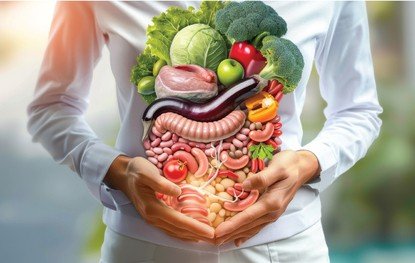
Top 10 Tips for Healthy Digestion– A healthy digestive system is the cornerstone of good health. From nutrient absorption and energy production to immune function and mood balance, your gut affects nearly every part of your body. Unfortunately, today’s lifestyle — full of processed foods, stress, and irregular eating habits — often leads to sluggish digestion, bloating, and discomfort.
The good news? You can take control of your digestive health with a few simple, science-backed habits.
In this guide, we’ll cover the top 10 tips for healthy digestion you can start practicing today — no expensive supplements or complicated diets required.
1. Eat Slowly and Chew Your Food Thoroughly
Digestion begins in your mouth. Chewing food properly not only makes it easier to swallow but also activates enzymes in your saliva that help break down carbohydrates.
Why It’s Important
- Proper chewing aids nutrient absorption.
- Prevents overeating by giving your brain time to register fullness.
- Reduces bloating and gas.
Pro Tip:
Aim to chew each bite around 20–30 times. Set your fork down between bites to encourage mindful eating.
2. Stay Well Hydrated
Water is essential for healthy digestion. It helps dissolve nutrients, soften stool, and maintain smooth bowel movements.
Why It’s Important
- Prevents constipation.
- Assists in the production of digestive juices.
- Helps transport nutrients throughout the body.
Pro Tip:
Drink a glass of water 30 minutes before meals to prepare your stomach for digestion. Avoid excessive water during meals, which may dilute stomach acid.
3. Include More Fiber in Your Diet
Fiber is a key nutrient for digestive health. It promotes bowel regularity and supports a balanced gut microbiome.
Types of Fiber
- Soluble Fiber: Found in oats, beans, apples — forms a gel-like consistency that helps digestion.
- Insoluble Fiber: Found in vegetables, nuts, and whole grains — adds bulk to stool.
Pro Tip:
Gradually increase fiber intake to avoid bloating, and pair it with plenty of water for best results.
4. Add Probiotics and Fermented Foods
Your gut contains billions of bacteria — some good, some bad. Probiotic-rich foods help maintain the right balance of these microbes, improving digestion and immunity.
Best Probiotic Foods
- Yogurt with live cultures
- Kefir
- Sauerkraut
- Kimchi
- Kombucha
- Tempeh or miso
Pro Tip:
Add at least one fermented food to your daily diet. Combine it with prebiotic foods (like garlic, bananas, and onions) to feed healthy bacteria.
5. Manage Stress Levels
Your gut and brain are deeply connected through the gut-brain axis. Stress can directly affect digestive processes, leading to bloating, cramps, or indigestion.
Why It’s Important
- Chronic stress slows digestion.
- Alters gut bacteria balance.
- May trigger symptoms of IBS (Irritable Bowel Syndrome).
Pro Tip:
Practice yoga, meditation, or deep breathing for at least 10 minutes daily to keep your digestion — and your mind — calm.
6. Exercise Regularly
Physical activity doesn’t just help you stay fit — it also keeps your digestive system active and efficient.
Why It’s Important
- Stimulates intestinal contractions.
- Reduces constipation.
- Supports a balanced metabolism.
Pro Tip:
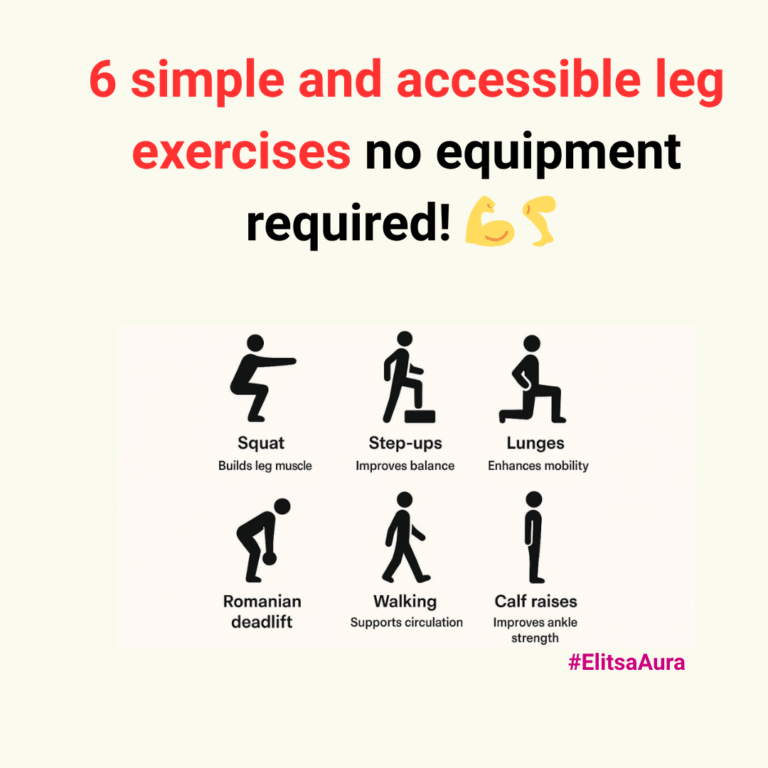
Take a 15–20 minute walk after meals. Regular activities like yoga, cycling, or light jogging can significantly improve digestion.
7. Avoid Overeating and Late-Night Snacking
Overeating or eating right before bed burdens your digestive system and increases the risk of indigestion and acid reflux.
Why It’s Important
- Large meals stretch the stomach, slowing digestion.
- Eating before lying down causes heartburn.
- Smaller, frequent meals are easier to digest.
Pro Tip:
Finish your last meal at least 2–3 hours before bedtime. Stop eating when you feel 80% full.
8. Limit Processed Foods and Added Sugars
Highly processed foods and excess sugar can harm your gut microbiome and slow down digestion.
Why It’s Important
- Processed foods often lack fiber.
- Added sugars feed harmful bacteria in your gut.
- Artificial ingredients can trigger inflammation.
Pro Tip:
Replace packaged snacks with fruits, nuts, and seeds. Opt for home-cooked meals made from whole ingredients.
9. Include Healthy Fats for Smooth Digestion
Healthy fats help your body absorb fat-soluble vitamins (A, D, E, K) and support the smooth movement of food through the intestines.
Best Sources of Healthy Fats
- Olive oil
- Avocados
- Nuts and seeds
- Fatty fish like salmon
- Coconut oil (in moderation)
Pro Tip:
Cook with olive oil and add avocado slices to salads for a delicious and digestion-friendly boost.
10. Keep a Consistent Eating and Sleeping Routine
Your digestive system functions best when your body follows a predictable routine. Regular meal and sleep times help your gut operate efficiently and keep metabolism balanced.
Why It Matters
- Predictable meal times enhance digestive enzyme secretion.
- A consistent sleep schedule strengthens the gut-brain connection.
- Reduces digestive issues caused by irregular habits, like bloating or acid reflux.
Pro Tip
Eat meals at roughly the same times each day and aim for 7–8 hours of quality sleep nightly. Your digestive system will thank you — and so will your energy levels!
Bonus: Natural Digestive Support Supplements
Even with a healthy diet, some people may experience bloating, sluggish digestion, or occasional discomfort. In such cases, natural digestive supplements can help support your gut and improve overall digestion.
What to Look For
Choose supplements containing probiotics, digestive enzymes, or gut-soothing herbs like:
- Ginger – helps reduce bloating and nausea
- Peppermint – eases stomach cramps and discomfort
- Fennel – supports smooth digestion
- Probiotics – replenish good gut bacteria
Important Note
Always consult a healthcare professional before adding supplements, especially if you take medications or have chronic digestive conditions. Supplements should complement — not replace — a balanced diet and healthy lifestyle.
Common Signs of an Unhealthy Digestive System
Your digestive system is one of the first places to show signs when something isn’t right. Ignoring early symptoms can lead to chronic discomfort, poor nutrient absorption, and even long-term health issues.
Below are the most common indicators that your gut may need some extra care and attention:
1. Frequent Bloating or Gas
Persistent bloating or excess gas after meals often indicates poor food breakdown or an imbalance in gut bacteria.
2. Constipation or Diarrhea
Irregular bowel movements — whether too infrequent or too frequent — can signal fiber deficiency, dehydration, or a disrupted gut microbiome.
3. Heartburn or Acid Reflux
A burning sensation in the chest or throat after eating suggests excess stomach acid or weakened esophageal muscles. Chronic reflux can irritate the digestive tract lining.
4. Fatigue After Meals
If you often feel unusually tired or sluggish after eating, your body may be struggling to efficiently digest and convert nutrients into energy.
5. Unexplained Weight Changes
Sudden weight gain or loss without major lifestyle changes can point to malabsorption issues or hormone disruptions linked to gut imbalance.
6. Skin Issues (Acne, Rashes, Dullness)
Your skin often reflects your gut health. Poor digestion and toxin buildup can lead to breakouts, inflammation, or dull complexion.
7. Frequent Illness or Low Immunity
Since nearly 70% of the immune system resides in the gut, recurring colds or infections may suggest an unhealthy digestive environment.
Foods That Promote Healthy Digestion
A balanced diet rich in natural, nutrient-dense foods is key to maintaining optimal digestive health.
Each food group plays a unique role — from feeding beneficial gut bacteria to promoting smoother bowel movements and reducing inflammation.
Here’s a professional breakdown of the best foods for healthy digestion and how they support your gut:
| Category | Examples | Digestive Benefits |
| Probiotics | Yogurt (with live cultures), kefir, kimchi, sauerkraut, miso | Restore and balance gut microbiota, support nutrient absorption, and boost immune defense. |
| Prebiotics | Garlic, onions, leeks, asparagus, bananas | Nourish beneficial gut bacteria, enhance probiotic effectiveness, and improve gut lining integrity. |
| Fiber-Rich Foods | Oats, chia seeds, flaxseeds, lentils, leafy greens | Promote regular bowel movements, prevent constipation, and stabilize blood sugar levels. |
| Herbal Aids | Ginger, peppermint, fennel, chamomile | Soothe the digestive tract, reduce bloating and gas, and relieve nausea or cramps. |
| Hydrating Foods | Cucumber, celery, watermelon, oranges | Maintain fluid balance, soften stool, and support smooth digestion. |
| Healthy Fats | Avocados, olive oil, nuts, seeds, fatty fish (salmon, sardines) | Support absorption of fat-soluble vitamins (A, D, E, K) and maintain gut lining health. |
| Whole Grains | Brown rice, quinoa, barley, whole wheat | Supply complex carbohydrates and insoluble fiber that aid in waste elimination. |
| Fermented Beverages | Kombucha, apple cider vinegar (in moderation) | Provide natural probiotics and organic acids that enhance digestion and detoxification. |
| Digestive Spices | Turmeric, cumin, coriander, cardamom | Stimulate digestive enzyme production and help reduce inflammation in the gut. |
| Enzyme-Rich Fruits | Pineapple, papaya, kiwi | Contain natural enzymes (bromelain, papain, actinidin) that help break down proteins and improve nutrient absorption. |
Pro Tips for a Happier Gut
- Eat a variety of colors: Diverse plant foods feed different gut bacteria for a more resilient microbiome.
- Limit fried or processed foods: These can slow digestion and increase inflammation.
- Add fermented foods gradually: Introduce probiotics slowly to allow your gut to adjust.
- Stay hydrated: Water helps fiber do its job — always pair high-fiber meals with sufficient fluids.
- Practice portion control: Smaller, balanced meals are easier for your stomach to handle.
Conclusion – Top 10 Tips for Healthy Digestion
Improving your digestion doesn’t take big changes — it’s all about small, consistent habits.
Chew your food slowly. Stay hydrated. Eat more fiber and whole foods. Move daily. Manage stress. Avoid processed junk.
These simple steps can completely transform how your gut — and your body — feel every day.
Remember, your digestive system is the core of your vitality. When your gut is happy, you have more energy, sharper focus, stronger immunity, and a lighter mood.
Start applying these top 10 tips for healthy digestion today — your stomach (and your future self) will thank you!
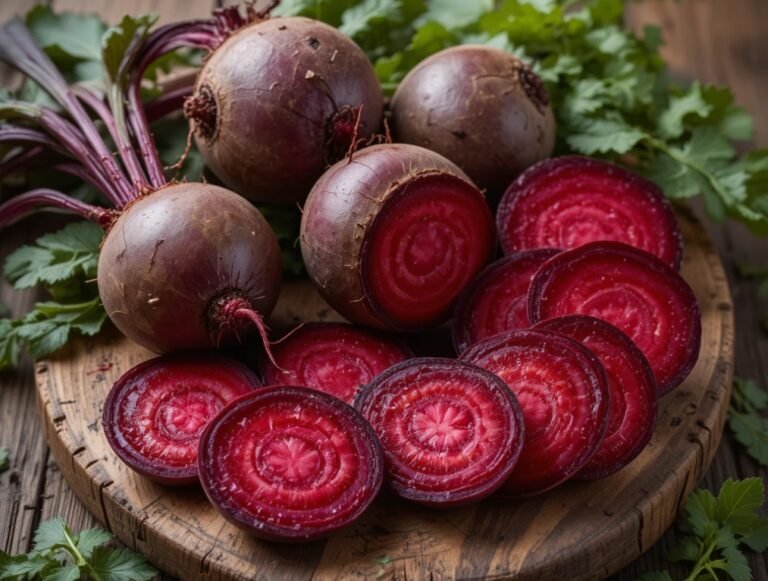
Read Also- The Surprising Power of a Humble Veggie: Unpacking Beetroot Health Benefits