
The Hidden Secret That Could Cure Liver Disease 2025!
Liver diseases are among the leading causes of illness and death worldwide. Conditions such as nonalcoholic steatohepatitis (NASH), cirrhosis, and fatty liver disease often progress silently until severe damage occurs. Despite their widespread impact, effective targeted treatments have long been elusive. However, recent scientific breakthroughs suggest that the first targeted therapy for dangerous liver disease could come from an unexpected source — the bile acid pathway.
The Growing Crisis of Liver Disease
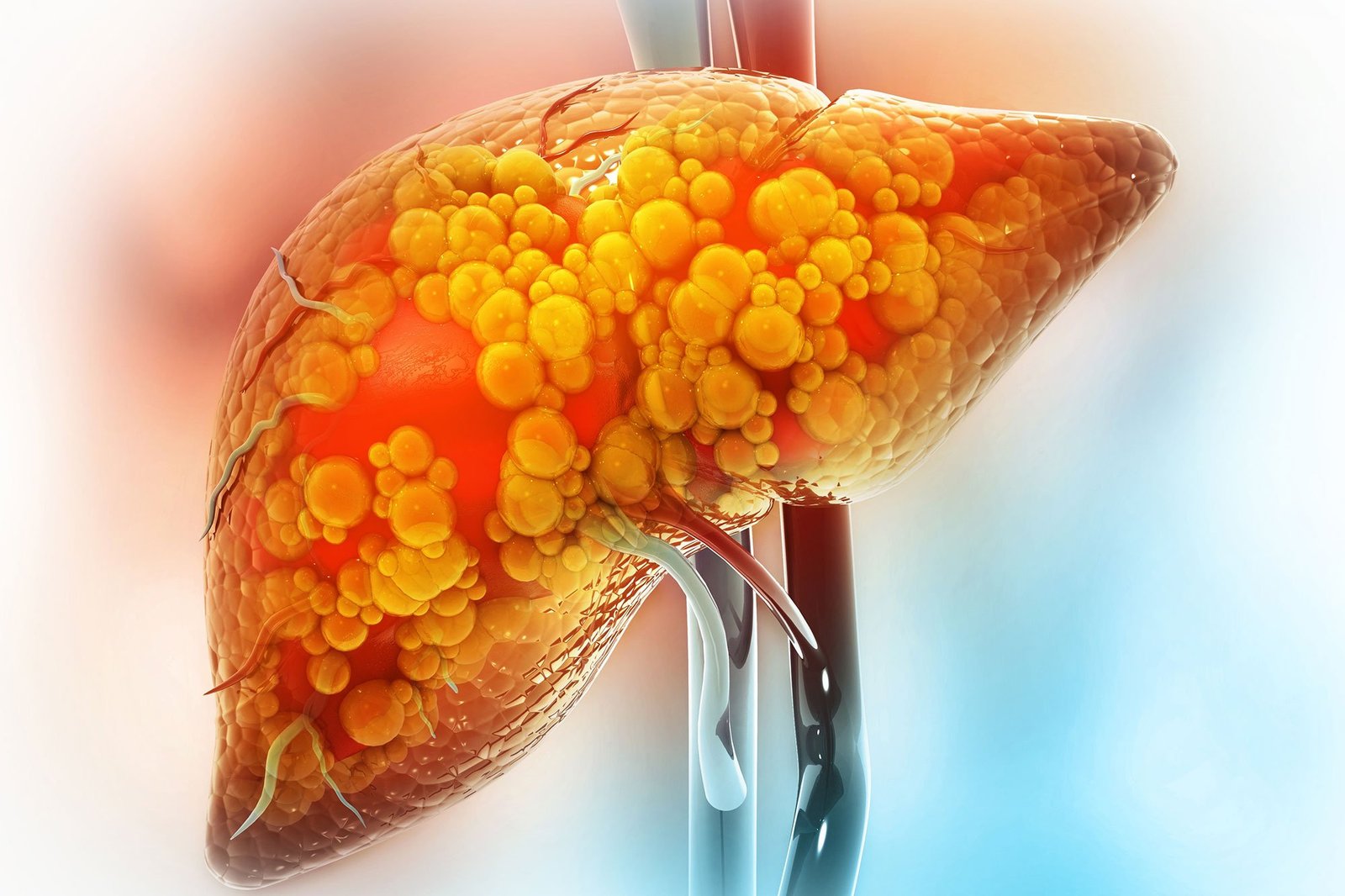
Liver diseases affect hundreds of millions globally, driven by poor diet, obesity, diabetes, alcohol abuse, and environmental toxins. Among them, NASH, a progressive form of nonalcoholic fatty liver disease (NAFLD), has become one of the most concerning public health challenges. Characterized by fat buildup, inflammation, and scarring, NASH can lead to cirrhosis, liver failure, and even cancer.
Until recently, treatment options for NASH and similar conditions were limited to lifestyle changes such as diet, exercise, and weight loss. Unfortunately, these approaches are often difficult to sustain, and no FDA-approved drugs have effectively targeted the root biological causes of these diseases—until now.
The Unexpected Source: Bile Acid Pathway
Bile acids are substances produced by the liver to help digest fats. For years, they were primarily seen as digestive agents. But new research reveals that bile acids also act as signaling molecules regulating inflammation, metabolism, and energy balance. Scientists discovered that manipulating this bile acid signaling could hold the key to reversing liver inflammation and fibrosis.
One of the most promising developments came from studying the FXR (Farnesoid X Receptor), a protein activated by bile acids. FXR plays a vital role in controlling how the liver processes fats and sugars. When this receptor is activated properly, it reduces fat accumulation, lowers inflammation, and prevents liver scarring. This discovery led researchers to investigate drugs that can safely and effectively target FXR.
The Rise of FXR Agonists
FXR agonists are a class of drugs designed to activate the farnesoid X receptor, thereby mimicking the beneficial effects of bile acid signaling. One of the leading candidates is obeticholic acid (OCA), derived from a bile acid found naturally in the human body. Initially approved for a rare liver disease called primary biliary cholangitis (PBC), OCA showed unexpected potential in treating NASH.
In clinical studies, OCA improved liver histology in patients with NASH by reducing inflammation and fibrosis—the key drivers of liver damage. These results suggest that targeting FXR could become the first effective approach for a broad range of chronic liver diseases.
Why This Discovery Matters
The importance of this discovery cannot be overstated. For decades, researchers have struggled to find treatments that could halt or reverse liver fibrosis. Traditional medications focus on managing symptoms or secondary conditions, such as high cholesterol or diabetes, rather than addressing the root cause of liver damage.
By targeting the bile acid signaling pathway, FXR agonists strike at the heart of the problem. They improve metabolism, reduce oxidative stress, and decrease fat accumulation in the liver. Moreover, they hold the promise of reducing the need for liver transplants, which are costly, risky, and in short supply.
The emergence of bile acid–based therapies could revolutionize how doctors approach liver disease management, transforming it from palliative care to curative or preventive treatment.
Supporting Evidence from Clinical Trials
Several large-scale clinical trials have demonstrated the potential of FXR agonists and related compounds.
- Obeticholic Acid (OCA) Trials:
The REGENERATE study, one of the largest NASH trials to date, found that OCA significantly improved fibrosis in patients without worsening NASH. This was a critical milestone that led to renewed interest in targeted liver treatments. - Tropifexor and Cilofexor:
Newer FXR agonists such as tropifexor and cilofexor are being developed to provide similar benefits with fewer side effects. Preliminary results show positive effects on liver fat reduction and inflammation. - Combination Therapies:
Researchers are also exploring combination treatments that pair FXR agonists with anti-inflammatory or metabolic drugs to enhance outcomes.
These findings suggest that we are entering a new era of precision medicine for liver disease.
Mechanism of Action: How FXR Activation Helps the Liver
When FXR is activated, several beneficial processes occur simultaneously:
- Reduced Lipid Accumulation: FXR activation decreases fat synthesis and promotes fat breakdown, reducing fatty buildup in the liver.
- Anti-Inflammatory Effect: It suppresses pro-inflammatory gene expression, helping calm chronic liver inflammation.
- Antifibrotic Activity: FXR regulates the activity of hepatic stellate cells, the main contributors to liver scarring, preventing excessive collagen deposition.
- Improved Insulin Sensitivity: FXR activation helps improve glucose metabolism, which is particularly important in patients with type 2 diabetes and NASH.
- Bile Flow Regulation: FXR maintains bile acid homeostasis, preventing bile acid toxicity that can damage liver cells.
Together, these mechanisms make FXR agonists one of the most comprehensive approaches to liver disease management discovered so far.
Potential Side Effects and Safety Concerns
While FXR-targeted therapies hold great promise, they are not without side effects. Understanding these risks is essential before widespread use.
1. Itching (Pruritus)
The most commonly reported side effect of obeticholic acid and other FXR agonists is severe itching. This is believed to result from altered bile acid metabolism and is dose-dependent.
2. Elevated Cholesterol Levels
Some patients experience increased low-density lipoprotein (LDL) cholesterol and decreased high-density lipoprotein (HDL) cholesterol levels. Doctors may need to prescribe lipid-lowering medications to manage this effect.
3. Fatigue and Digestive Issues
Mild to moderate fatigue, nausea, and constipation have been reported in clinical trials, especially during the early stages of treatment.
4. Liver-Related Complications in Advanced Disease
In patients with advanced cirrhosis or severe liver impairment, FXR agonists must be used cautiously, as overactivation can sometimes worsen certain liver functions.
5. Unknown Long-Term Risks
Because FXR agonists are relatively new, long-term safety data are still being collected. Continuous monitoring and post-market studies are necessary to assess potential impacts over time.
The Future of Liver Disease Treatment
The development of bile acid–derived therapies represents a paradigm shift in liver medicine. Beyond NASH and cirrhosis, FXR agonists could play a role in treating other metabolic and inflammatory diseases, such as:
- Primary biliary cholangitis (PBC)
- Primary sclerosing cholangitis (PSC)
- Alcohol-related liver disease
- Type 2 diabetes and obesity
Moreover, researchers are exploring second-generation FXR agonists and dual-acting agents that target multiple metabolic pathways simultaneously. These next-generation drugs aim to retain the therapeutic benefits while minimizing side effects.
Lifestyle Still Matters
Despite medical advances, lifestyle modifications remain essential. Patients with fatty liver disease or NASH should:
- Maintain a healthy diet low in sugar and saturated fats
- Exercise regularly to improve insulin sensitivity
- Avoid alcohol and unnecessary medications that strain the liver
- Manage diabetes, cholesterol, and weight under medical supervision
Medication and lifestyle together can deliver the best outcomes for liver health.
Conclusion
The discovery that bile acid signaling can be harnessed to treat liver disease marks one of the most significant milestones in hepatology. FXR agonists, born from a once-overlooked digestive process, are now leading the way toward the first targeted treatment for conditions like NASH and cirrhosis.
While side effects and long-term safety remain areas of active study, the therapeutic potential of these drugs cannot be ignored. What once seemed an incurable and silently progressive disease may soon have an effective, targeted, and science-backed solution.
If ongoing trials continue to deliver positive results, this unexpected breakthrough from bile acid biology could redefine the future of liver health—offering new hope to millions suffering from chronic liver disease worldwide.
Read Also- Cardiac Fatigue: 7 Warning Signs Your Heart Is Asking for a Break