The Surprising Power of a Humble Veggie: Unpacking Beetroot Health Benefits
Ever feel like you’re running on empty by 3 PM? Or maybe you’re looking for that extra edge in your workouts, but you want to find it in your kitchen, not in a lab. What if I told you that one of the most powerful tools for your health might be hiding in plain sight in the produce aisle, disguised as a humble, dirt-dusted root vegetable?
It’s time to look past its unassuming exterior and discover the incredible beetroot health benefits packed inside. This vibrant, crimson vegetable is more than just a colorful addition to your salad; it’s a nutritional powerhouse that can support your heart, boost your energy, and so much more. Let’s dig in and uncover the science-backed secrets of the amazing beet.
Key Takeaways
- A Heart Health Hero: Beetroots are naturally rich in nitrates, which your body converts into nitric oxide. This mighty molecule helps relax and widen blood vessels, leading to better blood flow and lower blood pressure.
- Natural Performance Enhancer: Looking to boost your stamina? Studies show that beetroot can enhance athletic performance by improving oxygen use and muscle efficiency, making your workouts feel just a little bit easier.
- Nutrient-Dense Powerhouse: Don’t let its humble roots fool you. Beets are low in calories but loaded with essential vitamins and minerals like folate, potassium, and iron, plus powerful antioxidants called betalains.
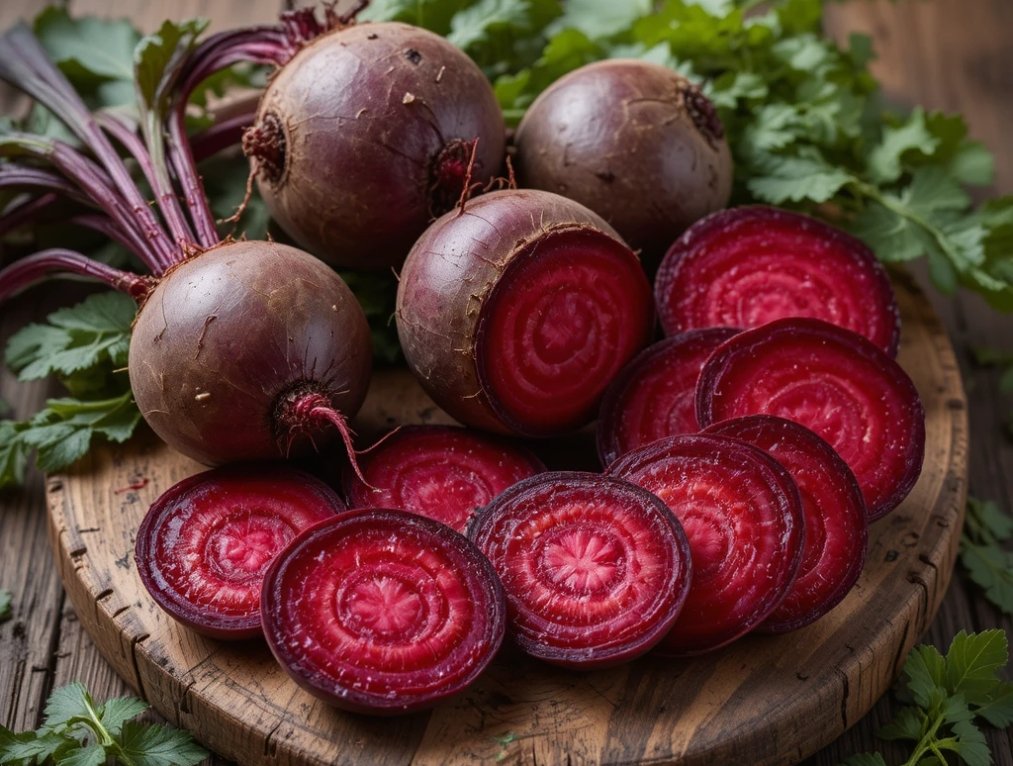
📸 Image idea: A vibrant, styled shot of whole and sliced beetroots on a rustic wooden board, with some fresh beet greens next to them.
What Exactly is This Purple Powerhouse? A Bit About Beetroot
Beetroot, often known simply as the beet, is the taproot portion of the Beta vulgaris plant. While it’s enjoyed a recent surge in popularity as a “superfood,” it has been cultivated for millennia, originally prized by the ancient Romans not for its root but for its edible leaves.
What gives beetroot its signature earthy-yet-sweet flavor and jaw-dropping color are its unique phytonutrients. The two most important compounds to know are:
- Nitrates: These naturally occurring compounds are the star players when it comes to heart health and athletic performance.
- Betalains: These are the potent antioxidant pigments that give beets their deep red-purple hue. They are celebrated for their anti-inflammatory properties.
From vibrant juices to roasted side dishes, this versatile vegetable is making a major comeback, and for very good reason.
Why You Should “Drop the Beet”: The Science-Backed Health Benefits of Beetroot
So, what happens in your body when you start incorporating this root veggie into your diet? The list of beetroot health benefits is impressively long and backed by solid scientific research.
A Friend to Your Heart
This is perhaps the most celebrated benefit of beetroot. The magic lies in its high concentration of dietary nitrates. When you consume beets, your body converts these nitrates into nitric oxide, a gas that acts as a vasodilator, meaning it signals the blood vessels to relax and widen. This process allows blood to flow more freely, which can lead to a significant reduction in blood pressure. For anyone focused on cardiovascular wellness, adding beetroot to your diet is a simple, food-first strategy to support a healthy heart.
Your Secret Weapon for Athletic Performance
Athletes are always looking for a natural edge, and many have found it in beetroot juice. By improving blood flow, the nitric oxide from beets helps your body use oxygen more efficiently. This means your muscles need less oxygen to do the same amount of work, which can enhance your stamina and endurance. Studies have shown that consuming beetroot juice before a workout can help athletes perform better and for longer periods. So whether you’re a seasoned marathoner or just enjoy a weekend jog, a little beet boost might be just what you need.
A Fighter Against Inflammation
Chronic inflammation is linked to a host of health issues, including heart disease and certain cancers. Beetroot contains powerful antioxidant pigments called betalains, which are responsible for its red color and have been shown to possess strong anti-inflammatory capabilities. By helping to combat oxidative stress and inflammation in the body, these compounds play a crucial role in protecting your cells from damage.
Supporting Your Brain Health
What’s good for your heart is often good for your brain. The same nitrate-to-nitric-oxide process that helps your heart also boosts blood flow to the brain. This is particularly important as we age, as research suggests that improved circulation to the brain can help support cognitive function and may slow age-related cognitive decline.
A Boost for Your Digestive System
Let’s not forget about fiber! A single cup of raw beets contains nearly 4 grams of dietary fiber. Fiber is essential for a healthy digestive system. It helps promote regularity by adding bulk to your stool and also acts as a prebiotic, feeding the beneficial bacteria in your gut. A happy gut is a cornerstone of overall health.
Packed with Essential Nutrients
Beyond the star compounds, beets offer an impressive nutritional profile. They are an excellent source of several key vitamins and minerals :
- Folate (Vitamin B9): Crucial for cell growth, development, and heart health.
- Manganese: An essential mineral involved in bone formation, nutrient metabolism, and brain function.
- Potassium: Important for blood pressure control and proper nerve function.
- Iron: Necessary for red blood cells to transport oxygen throughout the body.
- Vitamin C: A powerful antioxidant that supports immune function.
Potential Anti-Cancer Properties
While more research is needed, some promising studies suggest that the betacyanin pigment in beetroot may help inhibit the growth of certain types of cancer cells, including those of the bladder. The powerful antioxidant and anti-inflammatory effects of beetroot certainly make it a valuable part of an overall disease-preventive diet.

How to Get More Beetroot in Your Life: A Simple Guide
Convinced about the beetroot health benefits but not sure where to start? Incorporating this veggie is easier than you think.
- Go Raw: Finely grate raw beets and toss them into salads or slaws for a pop of color, crunch, and nutrition.
- Roast Them: Roasting is one of the best ways to cook beets. It caramelizes their natural sugars and deepens their flavor. Simply toss peeled and chopped beets with a little olive oil, salt, and pepper, and roast at 400°F (200°C) until tender.
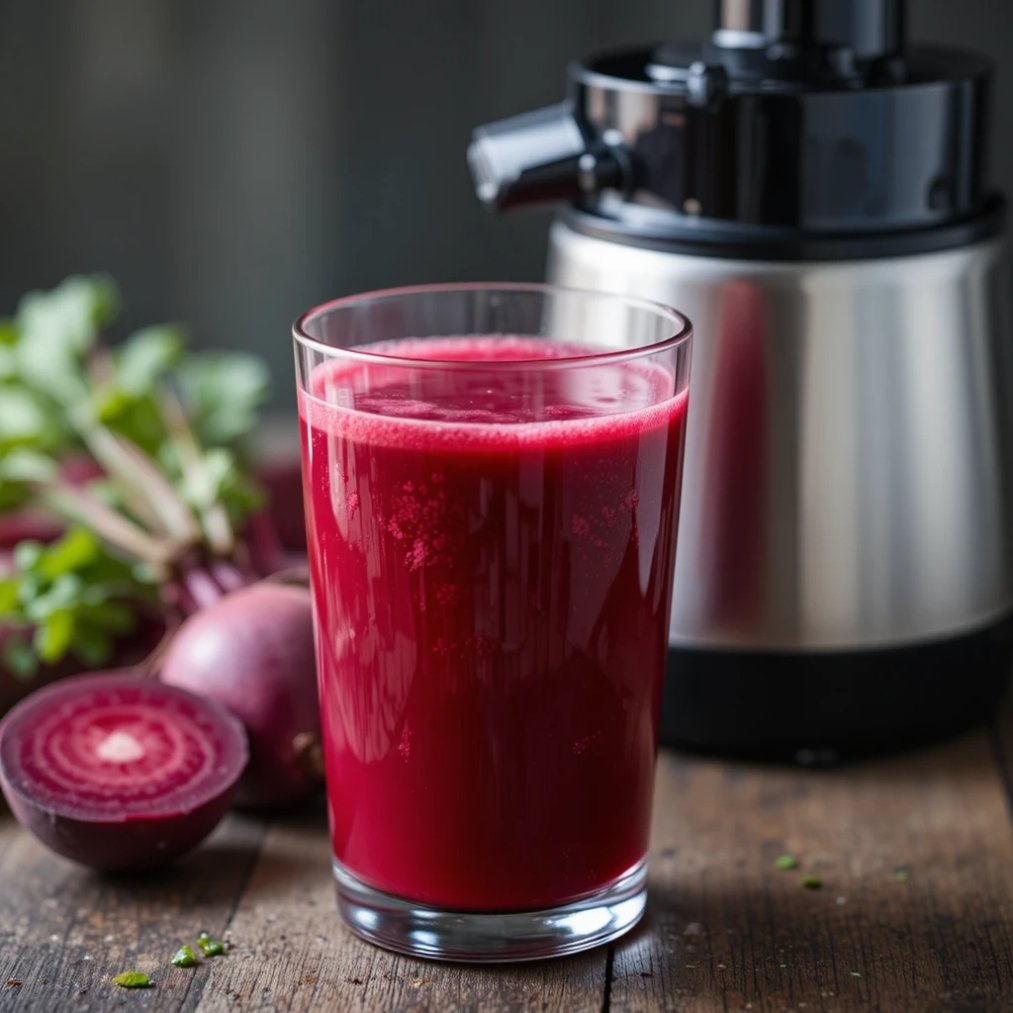
- Juice It: Beetroot juice is a popular way to get a concentrated dose of nutrients. For a tastier blend, juice it with apple, ginger, and a squeeze of lemon.
- Blend It: Add a small piece of a cooked, cooled beet to your morning smoothie. It adds incredible color and a nutrient boost without dramatically changing the flavor.
- Don’t Forget the Greens: The leafy tops of beets are entirely edible and packed with nutrients like iron and vitamin K. Sauté them just as you would spinach or Swiss chard.
- Try Beet Powder: For a convenient option, beet powders can be added to smoothies, yogurt, or even baked goods.
Expert Tips & Common Mistakes to Avoid
Ready to embrace the beet? Keep these tips in mind to get the most out of them.
Expert Tips
- Start Small: If you’re new to beetroot, especially the juice, begin with a small serving to see how your digestive system responds.
- Pair with Citrus: The vitamin C in citrus fruits like lemon and orange can help your body better absorb the iron from the beets. A simple squeeze of lemon over roasted beets is both delicious and smart.
- Embrace the Stain: Beets are famous for their staining power. Wear an apron, be mindful of your cutting boards, and enjoy the beautiful mess!
Common Mistakes
- Boiling Them to Death: While boiling is a common cooking method, it can cause many of the beet’s valuable, water-soluble nutrients (like B vitamins) to leach into the water. Roasting or steaming are better methods to preserve nutrition.
- Worrying About “Beeturia”: Don’t be alarmed if you notice a pink or reddish tint to your urine or stool after eating beets. This phenomenon, called beeturia, is completely harmless and affects a percentage of the population.
- Tossing the Greens: Many people chop off and discard the beet greens, but they are a nutritional treasure! They are delicious and loaded with vitamins.
Frequently Asked Questions About Beetroot Health Benefits
1. Can you eat beetroot every day?
For most people, yes, enjoying beetroot in moderation as part of a balanced diet is perfectly safe and highly beneficial.
2. Is raw or cooked beetroot better?
Both offer fantastic benefits! Raw beets retain more of their water-soluble vitamins like folate. Cooking can make them easier to digest and may even increase the bioavailability of some antioxidants. The best way is the one you enjoy most and will eat consistently.
3. How long does it take to see the blood pressure benefits?
Some studies have noted a drop in blood pressure just a few hours after consuming beetroot juice. However, for sustained cardiovascular benefits, consistent long-term consumption is key.
4. How much beet juice do I need for athletic performance?
Many studies use doses around 500ml (about 2 cups) taken 2–3 hours before exercise to see performance benefits. However, even smaller, regular amounts can contribute to better overall cardiovascular function.
5. Do beets have a lot of sugar?
Beets contain natural sugars, around 7 grams per 100g serving. However, they are also high in fiber, which helps slow down the absorption of this sugar and prevents sharp spikes in blood sugar levels, making them a healthy choice.
Conclusion: It’s Time to Embrace the Beet
From its deep, earthy flavor to its stunning color, beetroot is a vegetable that truly nourishes from the inside out. We’ve seen how the science-backed beetroot health benefits extend from your heart and brain to your muscles and digestive system. It’s a clear reminder that some of the most powerful medicine can be found in its simplest, most natural form.
So, the next time you’re at the grocery store or farmer’s market, don’t just walk past that humble purple root. Pick it up, bring it home, and start exploring all the delicious ways to let it work its magic. Your body will thank you for it.