
Asthma Inhalers & Climate Change: A Hidden Environmental Impact
Asthma Inhalers- Asthma and chronic respiratory conditions impact millions of people worldwide. In the United States alone:
- 28 million people suffer from asthma
- 34 million live with chronic obstructive pulmonary disease (COPD)
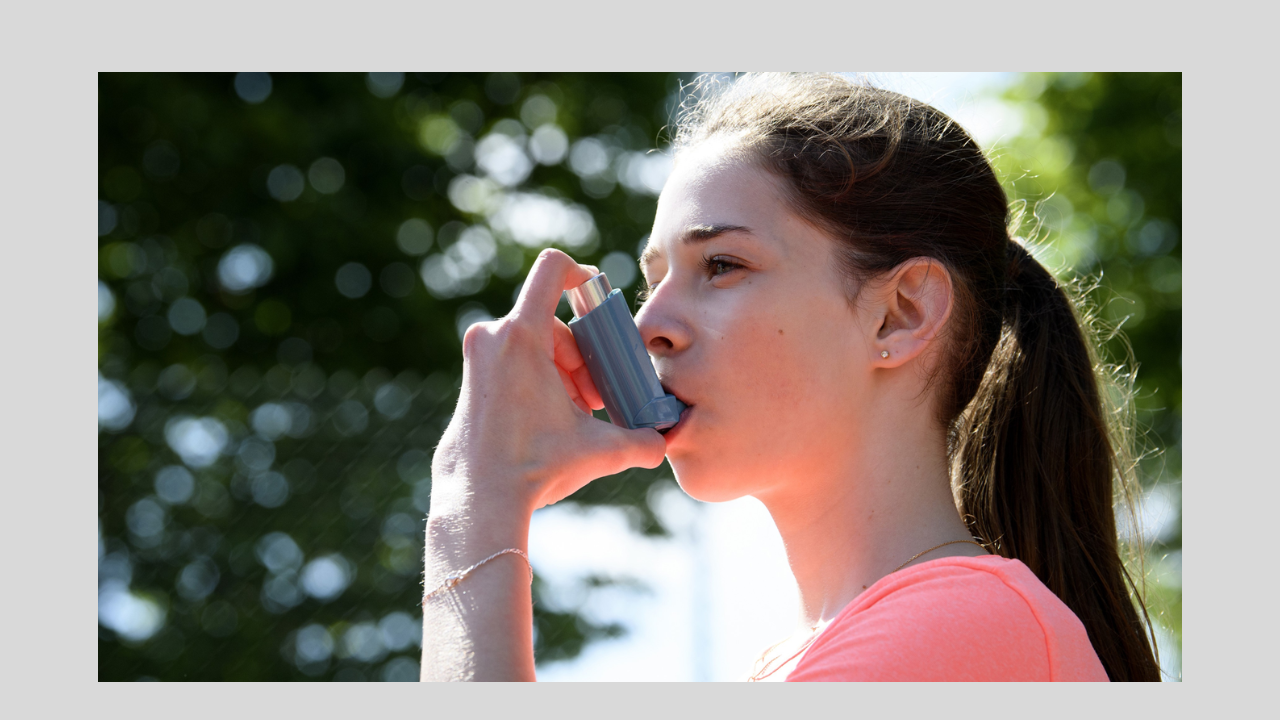
For these individuals, inhalers are essential, providing immediate relief during attacks and supporting long-term disease management. However, recent research has revealed a surprising environmental concern: asthma inhalers—particularly metered-dose inhalers (MDIs)—are significant contributors to greenhouse gas emissions, producing the equivalent carbon footprint of more than 530,000 gasoline-powered cars each year in the US.
In this blog, we’ll explore how inhalers affect the environment, compare different types of inhalers, and highlight sustainable alternatives that help balance effective respiratory care with environmental responsibility.
How Inhalers Contribute to Carbon Emissions
Metered-Dose Inhalers (MDIs)
Metered-dose inhalers are the most widely prescribed inhalers in the US. They use hydrofluoroalkane (HFA) propellants to deliver medication directly to the lungs. While effective for patients, HFAs are potent greenhouse gases, hundreds of times more powerful than carbon dioxide.
Over the last decade, MDIs have accounted for 98% of inhaler-related emissions. With millions of patients relying on these devices daily, the environmental impact is substantial.
Dry Powder Inhalers (DPIs) and Soft Mist Inhalers
DPIs and soft mist inhalers provide the same medical benefits but without propellants, relying on patient inhalation or soft mist technology. Their carbon footprint is up to 90% smaller than MDIs.
Countries like Sweden and Canada, which promote low-carbon inhalers, show significantly lower inhaler-related emissions compared to nations relying heavily on MDIs.
The Paradox: Inhalers Saving Lives but Worsening Climate Change
Asthma inhalers are essential for patient health, yet their emissions contribute to climate change, which can worsen respiratory conditions:
- Rising temperatures increase air pollution, a trigger for asthma attacks
- Ground-level ozone levels, harmful to respiratory health, are rising due to climate change
- This creates a vicious cycle: inhalers alleviate symptoms but contribute to worsening air quality
Real-World Impact
United States
- Inhalers produce over 2 million metric tons of CO₂ annually
- Equivalent to the emissions of 530,000 cars on the road
United Kingdom
- MDIs account for 70% of prescriptions, releasing 635,000 metric tons of CO₂ annually
- A 10% switch from MDIs to DPIs could cut emissions by 58,000 metric tons, equivalent to 180,000 cars traveling from London to Edinburgh
Even small changes in inhaler use can make a meaningful difference in carbon emissions.
Sustainable Alternatives
1. Switching to DPIs or Soft Mist Inhalers
- Environmentally Friendly: These inhalers do not rely on propellants, significantly reducing greenhouse gas emissions.
- Lower Carbon Footprint: Their carbon impact is up to 90% smaller compared to traditional MDIs.
- Medically Suitable: For many patients, DPIs and soft mist inhalers provide effective respiratory relief without compromising treatment.
2. Recycling Programs
- Return Used Inhalers: Many pharmacies now offer recycling programs for old or empty inhalers.
- Safe Disposal of Propellants: These programs ensure that residual propellants are safely destroyed, preventing unnecessary emissions.
3. Patient Education
- Raise Awareness: Many patients are unaware of the environmental impact of inhalers.
- Encourage Responsible Use: Educating patients promotes proper inhaler use and consideration of more sustainable alternatives.
Policy and Healthcare Implications
Governments and healthcare systems play a crucial role in promoting sustainable inhaler use and reducing environmental impact. Strategies include:
- Incentivizing Low-Carbon Inhalers: Encouraging healthcare providers to prescribe environmentally friendly alternatives
- Providing Subsidies: Making DPIs and soft mist inhalers more affordable
- Transparency on Packaging: Including environmental impact information to help patients make informed choices
Global Examples
- Sweden: Over 80% of inhalers prescribed are low-carbon alternatives
- Canada: Several provinces actively encourage DPI use to reduce emissions
- United Kingdom: NHS initiatives promote greener inhalers alongside patient education programs
Such policies help reduce the carbon footprint of inhalers while maintaining high-quality patient care.
Balancing Health and Environmental Responsibility
While sustainability is important, patient health remains the priority. Not all patients can switch from MDIs to DPIs, especially:
- Children
- Elderly patients
- Severe respiratory cases
Doctors must weigh environmental concerns alongside medical needs. For many patients, switching to low-carbon alternatives is safe and can significantly reduce emissions without compromising treatment.
Future Outlook
Healthcare is increasingly focused on sustainability. Innovations in inhaler technology include:
- Low-global warming propellants
- Reusable inhalers
- Improved delivery systems
These developments aim to minimize environmental impact while maintaining treatment effectiveness.
Raising awareness about inhaler emissions is essential for sustainable healthcare practices and encouraging patients and providers to make greener choices.
Conclusion
Asthma inhalers save lives, providing essential relief and management for millions of people worldwide. However, they come with a hidden environmental cost:
- Metered-Dose Inhalers (MDIs) release significant greenhouse gases, contributing to climate change and worsening air quality.
- Switching to dry powder inhalers (DPIs) or soft mist inhalers, along with proper disposal and patient education, can dramatically reduce these emissions.
- Collaboration is essential—patients, healthcare providers, and policymakers all have a role to play in promoting sustainable inhaler use.
Adopting environmentally friendly inhalers, recycling programs, and educational initiatives not only mitigates the impact on the planet but also ensures the health and well-being of current and future generations. Sustainable practices in respiratory care create a win-win scenario: effective disease management for patients and cleaner air for everyone.
Ultimately, small changes—like choosing low-carbon inhalers, spreading awareness, and supporting eco-friendly policies—can make a big difference. By taking action today, we can ensure that lifesaving treatments for asthma and COPD do not come at the expense of the environment, helping to build a healthier, greener future for all.
Read Also- Simple Bedtime Detox Drink That Flushes Toxins While You Sleep