
Back in Action 2025- Simple Home Exercises to Relieve Lower Back Pain
Lower back pain is one of the most common health issues worldwide, affecting millions of people every year. Whether caused by poor posture, prolonged sitting, muscle strain, or age-related changes in the spine, lower back pain can significantly impact your daily life. While medications and professional treatments are helpful, incorporating home exercises for lower back pain relief can provide long-lasting results, improve mobility, and prevent future discomfort.
In this article, we will explore effective exercises, stretches, and routines you can do at home to relieve pain, strengthen your back, and enhance overall spinal health.
Understanding Lower Back Pain
Before starting any exercise routine, it’s essential to understand the common causes and types of lower back pain. Knowing the root causes can help you choose the most effective exercises and prevent further injury.
Common Causes of Lower Back Pain
- Muscle Strain or Ligament Sprain: Overuse, lifting heavy objects incorrectly, or sudden movements can strain muscles and ligaments, leading to pain and stiffness.
- Poor Posture: Prolonged sitting or standing with improper alignment places stress on the spine and surrounding muscles, causing discomfort.
- Herniated or Slipped Discs: Spinal discs can bulge or rupture, putting pressure on nerves and resulting in pain, numbness, or tingling.
- Arthritis or Degenerative Conditions: Age-related changes, such as osteoporosis or spinal arthritis, can lead to chronic lower back pain and reduced mobility.
Types of Lower Back Pain
- Acute Pain: Short-term pain lasting a few days to weeks, often caused by injury or strain.
- Chronic Pain: Persistent pain lasting longer than three months, usually linked to degenerative conditions, poor posture, or long-term muscle weakness.
Pro Tip: Early intervention through home exercises for lower back pain can prevent further progression, strengthen muscles, improve flexibility, and enhance overall quality of life.
Benefits of Home Exercises for Lower Back Pain
Incorporating targeted exercises into your daily routine can provide lasting relief and improved spinal health. Here are the key benefits of performing home exercises for lower back pain:
- Pain Relief: Gentle stretches and strengthening exercises help reduce muscle tension, inflammation, and discomfort, making everyday activities easier.
- Improved Flexibility: Regular stretching enhances the range of motion in your lower back, hips, and surrounding muscles, reducing stiffness and promoting better movement.
- Strengthened Core Muscles: A strong core supports the spine, stabilizes the lower back, and reduces the risk of injury or recurring pain.
- Better Posture: Corrective exercises promote proper spinal alignment, alleviating pressure on the lower back and improving overall posture.
- Convenience and Cost-Effectiveness: Most home exercises require minimal to no equipment, allowing you to perform them anytime without expensive gym memberships or specialized tools.
Pro Tip: Combining these exercises with lifestyle habits such as good ergonomics, proper posture, and regular movement maximizes benefits and prevents future lower back pain.
Precautions Before Starting Lower Back Exercises
While home exercises for lower back pain are generally safe, taking a few precautions ensures you avoid injury and maximize benefits:
- Consult a doctor first: If you experience severe pain, numbness, or tingling in your legs, seek medical advice before starting any exercise routine.
- Avoid painful movements: Stop any exercise that increases discomfort or causes sharp pain.
- Warm up properly: Spend 5–10 minutes warming up with light activity, such as walking or gentle stretches, to loosen muscles.
- Prioritize proper form: Focus on technique over intensity. Controlled movements prevent strain and maximize the effectiveness of each exercise.
Pro Tip: Listening to your body and progressing gradually is key to safely strengthening your lower back and preventing future pain.
Best Home Exercises for Lower Back Pain Relief
Below is a detailed list of effective exercises and stretches, including step-by-step instructions.
1. Cat-Cow Stretch (Marjaryasana-Bitilasana)
Purpose: The Cat-Cow Stretch improves spinal flexibility, warms up the back muscles, and enhances mobility, making it an ideal exercise to relieve stiffness and lower back pain.
How to Do:
- Begin on all fours with your wrists directly under your shoulders and knees under your hips.
- Inhale deeply, arch your back, lifting your head and tailbone toward the ceiling (Cow Pose).
- Exhale slowly, round your spine, tucking your chin toward your chest and your pelvis under (Cat Pose).
- Repeat the sequence 10–15 times, moving slowly and mindfully.
Tip: Focus on smooth, gentle movements and avoid any jerking. This exercise warms up your spine, improves flexibility, and prepares your lower back for other stretches and strengthening exercises.
2. Child’s Pose (Balasana)
Purpose: The Child’s Pose gently stretches the lower back, hips, and spine while relieving tension and promoting relaxation—an excellent stretch for lower back pain relief.
How to Do:
- Kneel on the floor with your big toes touching and knees hip-width apart.
- Sit back on your heels and stretch your arms forward, lowering your chest toward the floor.
- Hold the position for 20–30 seconds, breathing deeply and relaxing your muscles.
- Slowly return to the starting position.
- Repeat 2–3 times.
Tip: Place a pillow under your chest or knees if you feel discomfort or need extra support. Focus on gentle stretching rather than pushing too far.
3. Pelvic Tilts
Purpose: Pelvic Tilts strengthen the abdominal muscles, improve spinal stability, and reduce stiffness in the lower back, making them ideal for relieving pain and preventing future discomfort.
How to Do:
- Lie on your back with your knees bent and feet flat on the floor, hip-width apart.
- Gently tighten your abdominal muscles and flatten your lower back against the floor.
- Hold this position for 5 seconds, focusing on engaging your core.
- Relax and return to the starting position.
- Repeat 10–15 times, performing the movements slowly and deliberately.
Tip: Focus on controlled movements rather than speed. Engaging your core properly is more important than the number of repetitions.
4. Bridges
Purpose: The Bridge exercise strengthens the glutes, lower back, and core muscles, providing better spinal support and helping to reduce lower back pain.
How to Do:
- Lie on your back with your knees bent and feet hip-width apart on the floor.
- Press through your heels and lift your hips toward the ceiling, squeezing your glutes at the top.
- Hold the position for 5–10 seconds, keeping your core engaged.
- Slowly lower your hips back to the floor.
- Repeat 10–12 times, moving in a controlled and deliberate manner.
Tip: Avoid overarching your lower back. Focus on lifting with your glutes and core for maximum benefit and safety.
5. Knee-to-Chest Stretch
Purpose: The Knee-to-Chest Stretch helps relieve tension in the lower back and hips, promotes spinal flexibility, and reduces stiffness associated with prolonged sitting or muscle tightness.
How to Do:
- Lie flat on your back with your knees bent and feet resting on the floor.
- Gently pull your right knee toward your chest, keeping your left foot flat on the floor.
- Hold the stretch for 20–30 seconds, breathing deeply.
- Slowly release and switch to the left leg.
- Repeat 2–3 times per leg.
Tip: Keep your lower back gently pressed into the floor for maximum stretch and support. Avoid lifting your hips off the ground to prevent strain.
6. Piriformis Stretch
Purpose: The Piriformis Stretch helps relieve tension in the piriformis muscle, which can compress the sciatic nerve and contribute to lower back pain. It improves hip flexibility and reduces discomfort.
How to Do:
- Lie on your back with both knees bent and feet flat on the floor.
- Cross your right ankle over your left knee, forming a figure-four shape.
- Gently pull your left leg toward your chest, keeping your back relaxed.
- Hold the stretch for 20–30 seconds, breathing deeply.
- Slowly release and repeat on the other side.
- Perform 2–3 repetitions per side.
Tip: Focus on deep, controlled breathing and relax your muscles to enhance the stretch. Avoid forcing the leg closer to your chest to prevent strain.
7. Seated Spinal Twist
Purpose: The Seated Spinal Twist enhances spinal mobility, stretches the lower back and oblique muscles, and helps relieve tension that contributes to lower back pain.
How to Do:
- Sit on the floor with your legs extended straight in front of you, keeping your spine tall.
- Bend your right knee and place your right foot on the outside of your left thigh.
- Place your left elbow on the outside of your right knee and gently twist your torso to the right, keeping your back straight.
- Hold the twist for 15–20 seconds, breathing deeply.
- Slowly return to the starting position and repeat on the left side.
Tip: Avoid forcing the twist or rounding your back. Focus on gentle rotation to improve flexibility and spinal alignment safely.
8. Standing Hamstring Stretch
Purpose: Tight hamstrings can increase strain on the lower back. This stretch helps loosen hamstrings, improve flexibility, and reduce lower back tension.
How to Do:
- Stand tall with your feet hip-width apart and maintain a straight spine.
- Extend your right leg forward, keeping the leg straight and heel on the floor.
- Hinge at your hips and gently reach toward your toes without rounding your back.
- Hold the stretch for 20–30 seconds, breathing deeply.
- Repeat on the left leg.
Tip: If you feel discomfort in your lower back, slightly bend your knee or reduce the forward reach. Focus on a gentle stretch rather than forcing your flexibility.
9. Bird Dog
Purpose: The Bird Dog exercise strengthens the core, lower back, and glute muscles while improving balance and spinal stability—essential for relieving and preventing lower back pain.
How to Do:
- Begin on all fours, with your wrists directly under your shoulders and knees under your hips.
- Slowly extend your right arm forward and left leg backward at the same time, keeping your back flat and core engaged.
- Hold this position for 5 seconds, maintaining balance and steady breathing.
- Return to the starting position.
- Repeat with your left arm and right leg.
- Perform 10–12 repetitions per side, moving slowly and controlled.
Tip: Avoid arching your back or tilting your pelvis. Focus on smooth, deliberate movements to engage your core effectively.
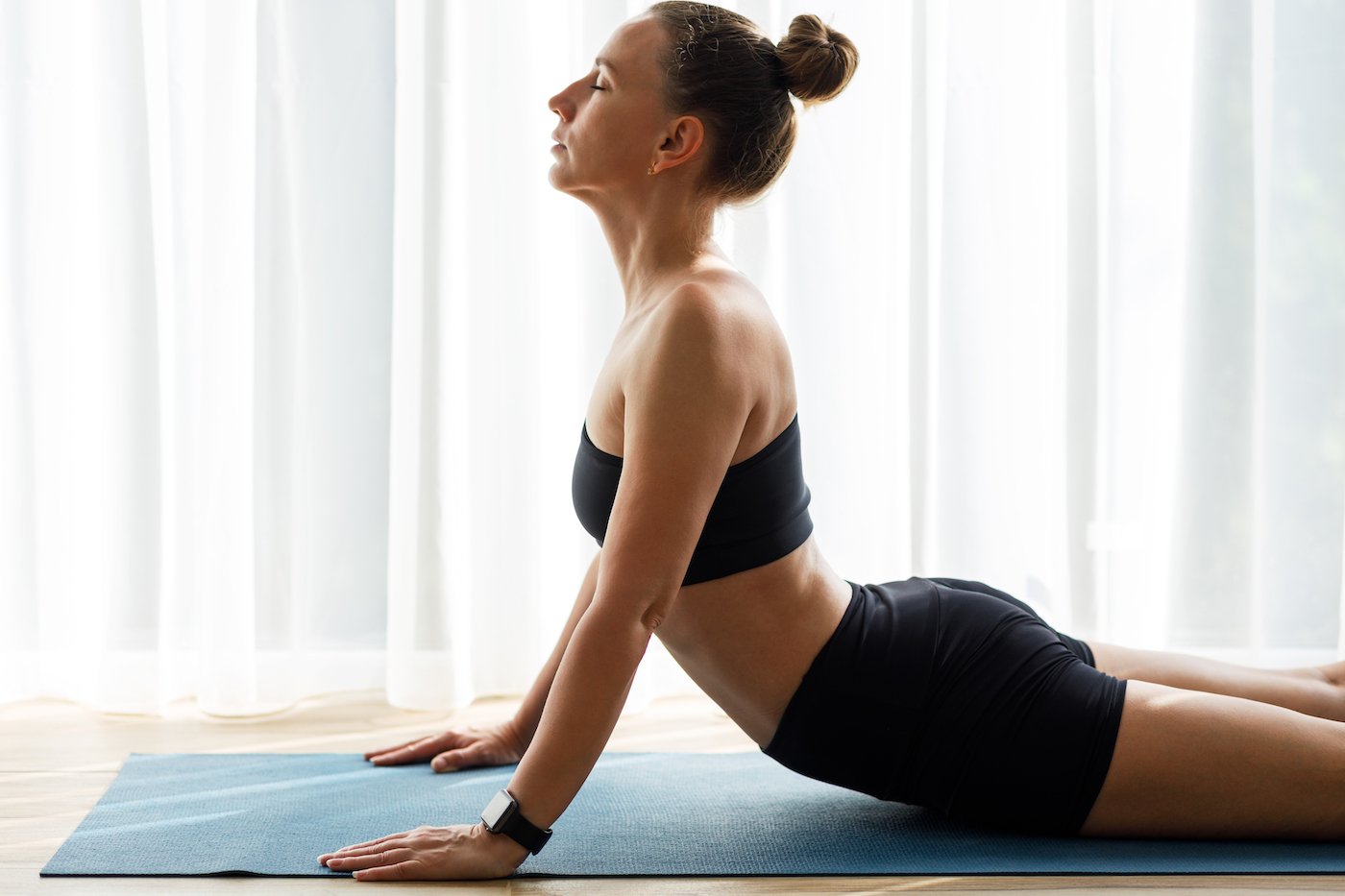
10. Cobra Stretch (Bhujangasana)
Purpose: The Cobra Stretch strengthens the spine, improves posture, and stretches the chest, shoulders, and abdominal muscles, making it highly effective for lower back pain relief.
How to Do:
- Lie face down on a comfortable mat with your legs extended and the tops of your feet resting on the floor.
- Place your palms directly under your shoulders, keeping elbows close to your body.
- Inhale and gently lift your chest off the floor by straightening your arms slightly, keeping your elbows soft.
- Hold the position for 15–20 seconds, breathing deeply.
- Exhale and slowly lower your chest back to the floor.
- Repeat 2–3 times, moving slowly and mindfully.
Tip: Only lift as high as feels comfortable. Avoid overarching the lower back to prevent strain. Focus on engaging your core and stretching gently rather than pushing for maximum height.
Tips for Maximizing Lower Back Pain Relief at Home
In addition to performing home exercises for lower back pain, incorporating lifestyle habits and smart strategies can significantly enhance relief and prevent future discomfort. Here are some expert tips:
- Consistency is Key: Practice these exercises daily or at least 4–5 times a week for lasting results. Regularity strengthens muscles, improves flexibility, and reduces stiffness.
- Combine with Core Strengthening: A strong core stabilizes your spine and alleviates pressure on your lower back. Include gentle exercises like planks, abdominal bracing, and bridges to support your back muscles.
- Maintain Good Posture: Proper posture while sitting, standing, or walking reduces strain on your lower back. Keep your spine straight, shoulders relaxed, and avoid slouching for long periods.
- Use Heat or Cold Therapy: Apply heat before stretching to relax tight muscles, and cold therapy after exercises to reduce inflammation and soreness. Alternating both can accelerate recovery.
- Stay Active: Avoid prolonged bed rest. Light activities like walking or gentle stretching maintain circulation and prevent stiffness while keeping your back muscles engaged.
- Mind Your Ergonomics: Adjust your work setup, including chairs, desks, and screens, to reduce strain on your lower back. Proper ergonomics can prevent pain from prolonged sitting or poor posture.
Pro Tip: Combining daily exercises with these habits creates a holistic approach to back pain relief, improving both mobility and quality of life.
When to See a Doctor for Lower Back Pain
While many cases of lower back pain can be effectively managed at home with exercises and lifestyle adjustments, certain symptoms may indicate a more serious condition that requires medical attention. Consult a healthcare professional immediately if you experience any of the following:
- Severe or worsening pain: Pain that intensifies over time or does not improve with rest and gentle exercises.
- Numbness, tingling, or weakness in the legs: These may indicate nerve compression or sciatica.
- Loss of bladder or bowel control: This can be a sign of a serious spinal condition requiring urgent evaluation.
- Pain following an injury or accident: Sudden back pain after a fall, car accident, or sports injury should be examined by a doctor.
Tip: Early diagnosis and treatment can prevent complications and ensure faster recovery. Don’t ignore persistent or unusual symptoms.
Conclusion
Lower back pain doesn’t have to control your life. With the right home exercises for lower back pain relief, you can improve flexibility, strengthen your core, and reduce discomfort significantly. Incorporate a mix of stretches, strengthening exercises, and posture improvements into your daily routine for optimal results. Remember, consistency and proper technique are crucial for lasting relief.
Take charge of your spinal health today and embrace these simple yet effective home exercises for a pain-free, active lifestyle.
Frequently Asked Questions (FAQ) About Lower Back Pain and Home Exercises
1. Can home exercises really relieve lower back pain?
Yes! Regular, targeted exercises can strengthen muscles, improve flexibility, and reduce tension in the lower back. Consistency is key, and combining stretches with core-strengthening routines provides long-term relief.
2. How often should I do lower back exercises at home?
For best results, perform these exercises daily or at least 4–5 times a week. Start slowly and gradually increase repetitions or hold times as your strength and flexibility improve.
3. Are there any exercises I should avoid if I have lower back pain?
Avoid exercises that cause sharp or radiating pain, heavy lifting without proper form, and high-impact activities if your back is inflamed. Always consult a doctor if unsure about a specific movement.
4. How long will it take to see improvement in my back pain?
Many people notice mild relief within 1–2 weeks, especially when combining stretches, strengthening exercises, and posture adjustments. Significant improvement typically occurs over 4–6 weeks with consistent practice.
5. Can these exercises help with sciatica pain?
Yes, certain stretches such as the piriformis stretch, knee-to-chest stretch, and cat-cow stretch can relieve tension on the sciatic nerve. However, severe or chronic sciatica may require medical evaluation.
6. Should I use heat or ice before or after exercises?
- Heat therapy: Helps relax stiff muscles before exercising.
- Cold therapy: Helps reduce inflammation after exercising.
You can alternate based on your comfort and the nature of your pain.
7. Can lower back pain exercises prevent future pain?
Absolutely! Strengthening your core, improving flexibility, and maintaining proper posture significantly reduce the risk of future lower back injuries.
8. Do I need any equipment for these exercises?
Most home exercises for lower back pain require no equipment—just a comfortable mat or soft surface. Some optional equipment like resistance bands or a stability ball can enhance strengthening exercises but are not necessary.
9. Is it safe to exercise with chronic lower back pain?
Yes, gentle, low-impact exercises are generally safe for chronic lower back pain. However, avoid sudden, high-impact movements and consult a healthcare professional if your pain is severe or persistent.
10. Can yoga help relieve lower back pain?
Yes! Yoga poses like cat-cow, child’s pose, and cobra stretch are excellent for flexibility, core strength, and spinal alignment, which help alleviate lower back pain.
Read Also- Never Reheat Your Tea: 5 Surprising Health Risks You Should Know