Foods for Uterus Health: Nourishing Your Core Naturally
Foods for uterus health play a crucial role in supporting one of the most vital organs in the female body. The uterus isn’t just about reproduction—it’s a powerhouse that affects hormonal balance, menstrual cycles, and overall wellness. Yet, it often doesn’t get the attention it deserves until something feels wrong.
Prioritizing foods for uterus health means taking proactive steps to nourish your body from the inside out. The nutrients you choose to include in your diet can influence everything from inflammation and hormonal balance to fertility and energy levels. Making intentional choices today can lead to a healthier, more resilient tomorrow.
This guide isn’t about strict diets or overly complicated meal plans. Instead, it’s about embracing simple, wholesome, and delicious foods that support your uterus naturally. Let’s explore the best foods for uterus health and how they can empower your body and wellbeing.
Why Your Diet is a Game-Changer for Uterine Health
Before we get to the shopping list, it’s important to understand the “why.” Your uterus is a dynamic muscular organ that responds to hormonal signals, inflammation levels, and blood flow. The nutrients you consume play a starring role in all three of these areas.
A well-balanced, nutrient-dense diet can help:
- Balance Hormones: Certain foods help your body produce and regulate hormones like estrogen, which is crucial for a healthy uterine lining.
- Reduce Inflammation: Chronic inflammation can contribute to painful periods, fibroids, and other uterine issues. Anti-inflammatory foods are your best defense.
- Improve Blood Flow: Proper circulation is essential for delivering oxygen and nutrients to the uterine tissues, keeping them healthy and functional.
- Strengthen Tissues: Vitamins and minerals are the building blocks for strong, resilient uterine muscles and tissues.
Think of it as internal self-care. Every healthy meal is a message to your body that you are supporting its intricate, beautiful work.
Top Foods for Uterus Health: Your Ultimate Shopping List
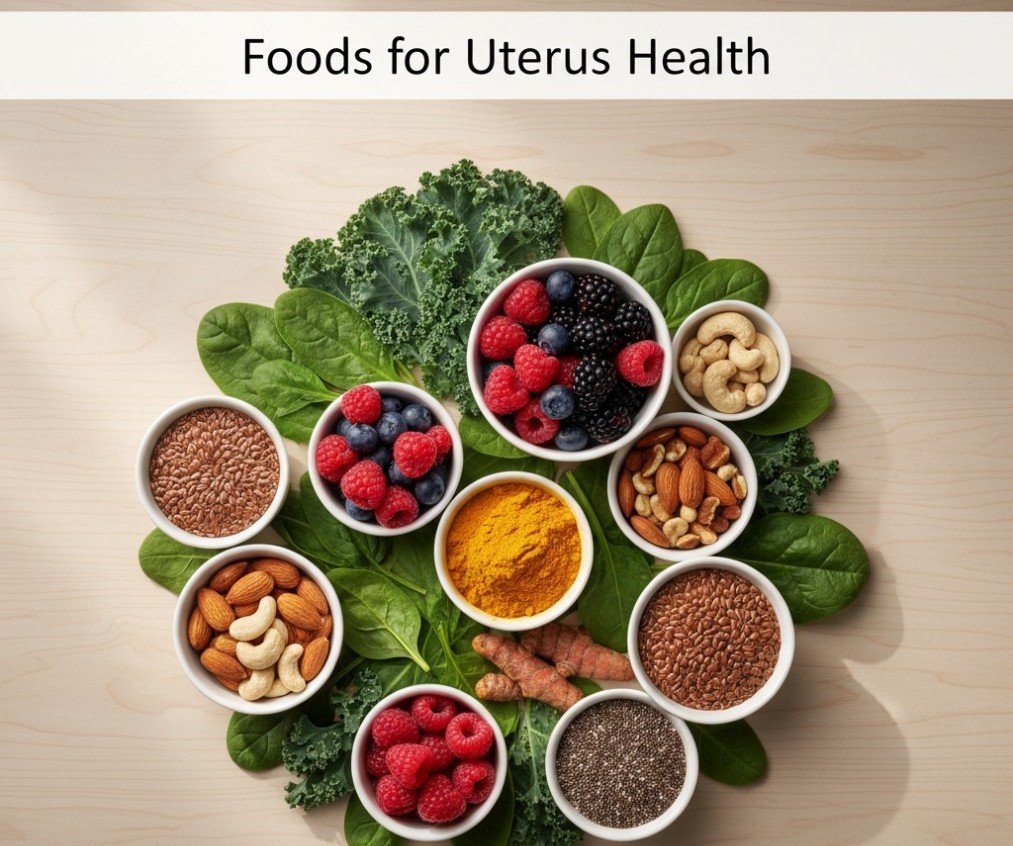
Ready to transform your plate? Here are some of the most powerful food groups and specific items to start incorporating into your diet for optimal uterine health.
1. Leafy Greens: The Mineral Powerhouses
If you do one thing for your uterine health, let it be this: eat your greens. Dark leafy greens like spinach, kale, collard greens, and Swiss chard are nutritional superstars.
- The Science Behind It: These greens are packed with essential minerals like iron, calcium, and magnesium. Iron is crucial for replenishing blood lost during menstruation, preventing fatigue and anemia. Magnesium is a wonder mineral known as “nature’s relaxant.” It can help soothe uterine muscles, potentially reducing menstrual cramps. Furthermore, leafy greens help maintain an alkaline environment, which is believed to discourage the growth of unhealthy cells. They are also a great source of folate, a vital B-vitamin for cell growth and DNA formation.
- How to Enjoy Them:
- Morning Smoothie: Blend a large handful of spinach or kale into your morning fruit smoothie. You won’t even taste it, but your body will thank you.
- Hearty Salads: Use mixed greens as the base for a nutrient-packed lunch.
- Wilted Wonders: Sauté kale or Swiss chard with a little garlic and olive oil for a quick, delicious side dish with dinner.
2. Nuts and Seeds: The Hormone Helpers
Don’t underestimate the power of these tiny nutritional giants. Nuts and seeds are fantastic sources of healthy fats, protein, and specific compounds that support hormonal balance.
- The Science Behind It: Flaxseeds, in particular, are rich in phytoestrogens, plant-based compounds that can help regulate estrogen levels in the body. They bind to estrogen receptors, helping to excrete excess estrogen and balance hormones naturally. Walnuts, chia seeds, and hemp seeds are loaded with omega-3 fatty acids, which are potent anti-inflammatories that can help reduce the production of prostaglandins—compounds that can trigger severe menstrual cramps. Almonds are a great source of Vitamin E, which is an antioxidant that helps protect cells from damage.
- How to Enjoy Them:
- Sprinkle Away: Add a tablespoon of ground flaxseed or chia seeds to your oatmeal, yogurt, or cereal.
- Smart Snacking: Keep a small bag of raw almonds or walnuts with you for a healthy, energy-boosting snack.
- Creamy Dressings: Blend cashews or tahini (from sesame seeds) to create creamy, dairy-free salad dressings.
3. Colorful Fruits & Berries: The Antioxidant Army
Eating the rainbow isn’t just a fun saying; it’s fantastic advice for your uterine health. Brightly colored fruits and berries are brimming with antioxidants and essential vitamins.
- The Science Behind It: Berries, oranges, pomegranates, and plums are packed with Vitamin C and flavonoids. Vitamin C is a powerful antioxidant that helps protect your cells from damage caused by free radicals. It also boosts your immune system, which is intrinsically linked to your overall reproductive health. Flavonoids help fight inflammation and support a healthy cardiovascular system, ensuring robust blood flow to the reproductive organs.
- How to Enjoy Them:
- Berry Bowls: Top your morning yogurt or oatmeal with a generous handful of fresh or frozen berries.
- Hydrating Snacks: Enjoy a juicy orange or a bowl of sweet mango for a hydrating, vitamin-rich snack.
- Natural Sweetness: Use fruits to naturally sweeten your foods and reduce your intake of refined sugars, which can fuel inflammation.
4. Legumes: The Fiber-Rich Friends
Beans, lentils, and chickpeas are humble but mighty. They are an excellent source of plant-based protein and, most importantly, fiber.
- The Science Behind It: Fiber is absolutely essential for hormonal balance. Your liver processes excess hormones, and fiber helps bind to them in the digestive tract so they can be efficiently eliminated from your body. Without enough fiber, excess estrogen can be reabsorbed, leading to hormonal imbalances that can affect uterine health. Legumes are also a great source of iron and B vitamins.
- How to Enjoy Them:
- Versatile Soups and Stews: Add a can of beans or a cup of lentils to your favorite soup or chili recipe to bulk it up.
- Hummus for the Win: Enjoy hummus (made from chickpeas) as a dip for veggies or a spread on whole-grain toast.
- Salad Boosters: Toss chickpeas or black beans into your salads for an extra hit of protein and fiber.
5. Healthy Fats: The Inflammation Fighters
Fat is not the enemy! The right kind of fat is crucial for reducing inflammation and producing healthy hormones.
- The Science Behind It: Foods rich in monounsaturated fats and omega-3s are your best friends. Avocados, extra virgin olive oil, and fatty fish (like salmon and sardines) are incredible anti-inflammatories. They help your body regulate inflammation and can directly impact the severity of period pain. These fats are also essential for absorbing fat-soluble vitamins like Vitamin D, which plays a role in uterine health.
- How to Enjoy Them:
- Avocado Toast: A modern classic for a reason! It’s delicious and packed with healthy fats.
- Quality Olive Oil: Use extra virgin olive oil as your primary oil for salad dressings and low-heat cooking.
- Fish Night: Aim to eat fatty fish like wild-caught salmon at least once or twice a week.
Putting It All Together: Simple Steps for Success
Feeling overwhelmed? Don’t be. Incorporating these foods doesn’t have to be a radical overhaul.
- Start Small: Pick just one food from this list to add to your diet this week. Maybe it’s adding spinach to your eggs or switching your afternoon snack to a handful of almonds.
- Focus on Addition, Not Subtraction: Instead of thinking about what you need to cut out, focus on what you can add in. This positive mindset makes healthy eating feel abundant and joyful, not restrictive.
- Plan Ahead: Take 15 minutes on a Sunday to wash some kale, pre-cook some quinoa, or whip up a batch of hummus. Having healthy options ready to go makes it so much easier to make good choices during a busy week.
- Stay Hydrated: Water is key! Proper hydration helps your body flush out toxins and allows nutrients to be transported efficiently to your cells, including those in your uterus. Aim for at least 8 glasses of water a day, and consider starting your morning with a glass of warm water with lemon.
Conclusion: An Act of Self-Love
Caring for your uterine health is a profound act of self-love. It’s about tuning into your body’s needs and honoring the incredible work it does every single day. The journey to a healthier uterus begins not with a radical diet, but with a single, mindful choice.
So today, make a choice that nourishes you from the inside out. Add a handful of berries to your breakfast. Choose a side salad with your lunch. Snack on some walnuts. Each small step is a powerful investment in your long-term vitality and well-being. Your body is listening, and it will thank you for it.
Frequently Asked Questions (FAQ)
Q1: Can changing my diet really help with issues like uterine fibroids or endometriosis?
While diet is not a cure, it can play a significant supportive role. Many of these conditions are influenced by hormones (particularly estrogen) and inflammation. An anti-inflammatory, fiber-rich diet focused on the foods listed above can help manage symptoms by promoting hormonal balance and reducing overall inflammation in the body. It’s a crucial part of a holistic management plan.
Q2: What are the worst foods for uterine health?
Generally, you’ll want to limit foods that promote inflammation and disrupt hormones. This includes highly processed foods, refined sugars and carbohydrates (white bread, pastries), excessive red meat, and unhealthy trans fats found in many fried and packaged foods.
Q3: Is dairy bad for the uterus?
This is a complex and highly individual question. Some conventional dairy can contain added hormones that may disrupt your natural balance. For some women, dairy can also be inflammatory. If you struggle with uterine issues, you might consider reducing your dairy intake or switching to organic, hormone-free options to see if you notice a difference.
Q4: How long does it take to see the benefits of these dietary changes?
Consistency is key. While you might notice some benefits like reduced bloating or improved energy within a few weeks, more significant changes related to your menstrual cycle or symptom reduction can take up to three months. Hormones operate in cycles, so it takes time for the body to adjust and find a new balance.
Q5: Are there any specific herbs that support uterine health?
Yes, several herbs have traditionally been used to support uterine health, such as red raspberry leaf, nettle, and dong quai. However, it’s incredibly important to consult with a qualified healthcare provider or herbalist before starting any new herbal supplement, as they can be potent and may interact with medications or other conditions.