Never Reheat Your Tea: 5 Surprising Health Risks You Should Know
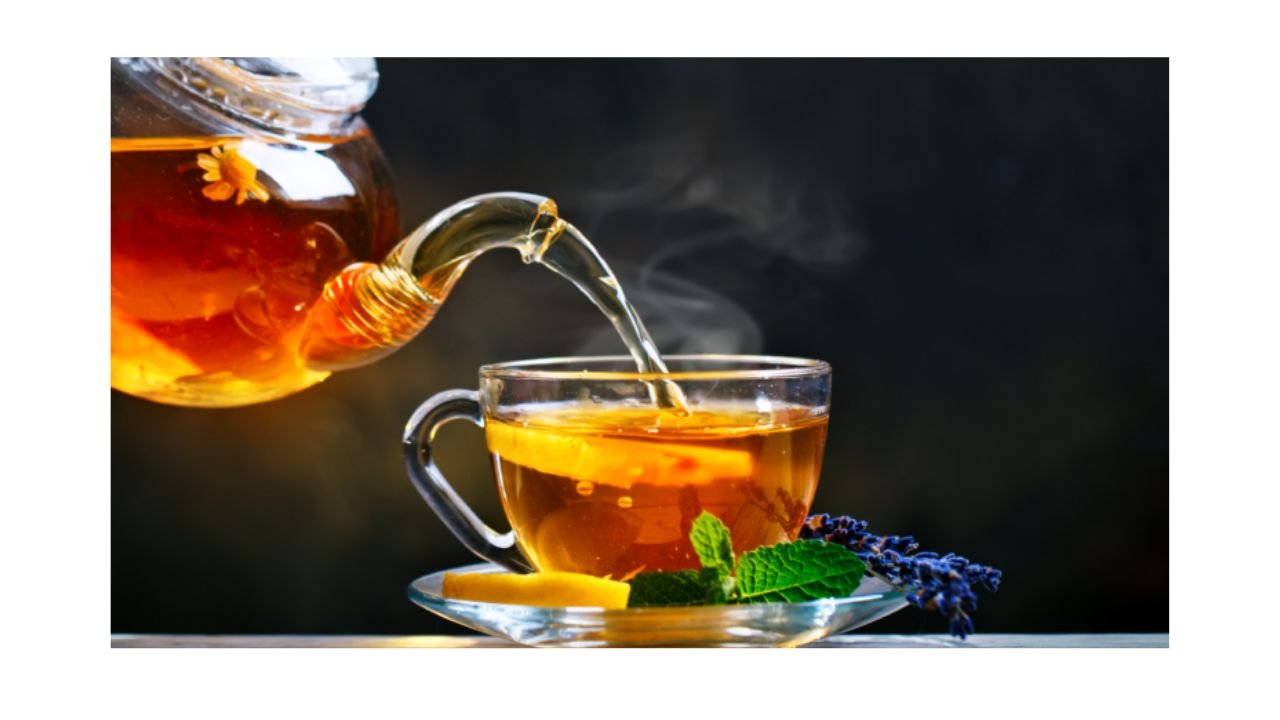
Never Reheat Your Tea– A hot cup of tea is one of life’s simplest pleasures. But when it cools, most people instinctively pop it into the microwave for a quick reheat. Unfortunately, what seems like a harmless habit may be quietly harming your health.
Can you reheat tea safely? Experts say no — reheating tea can cause nutrient loss, bacterial growth, acidity, and even toxic compounds to form. This means your “warm comfort” might turn into a drink that’s bitter, unhealthy, and potentially dangerous.
In this article, we’ll explore five surprising health risks of reheating tea, the science behind why it happens, and safer ways to enjoy your favorite brew.
1. Reheating Tea Encourages Bacterial Growth
Once tea cools down to room temperature, it becomes an ideal breeding ground for bacteria — especially if it contains milk, sugar, or lemon.
When you reheat such tea, the temperature may not be evenly distributed (especially in a microwave), allowing bacteria like Staphylococcus aureus or Listeria to survive. Consuming contaminated tea can cause:
- Stomach cramps
- Nausea and vomiting
- Diarrhea and food poisoning symptoms
Safety Tip:
If your tea has been sitting out for more than two hours, discard it instead of reheating. Bacteria multiply quickly in warm liquids, even if the tea looks and smells fine.
2. Nutrient and Antioxidant Breakdown
The biggest reason tea is praised for its health benefits is its rich antioxidant content, such as catechins, flavonoids, and polyphenols. These compounds help fight inflammation, lower cholesterol, and protect against chronic diseases.
However, when you reheat tea, the antioxidants degrade due to heat oxidation. The result:
- Green tea loses catechins.
- Black tea loses theaflavins and thearubigins.
- Herbal teas lose essential oils and plant-based nutrients.
In short, reheated tea looks the same but offers almost no health benefits — it’s essentially a flat, nutrient-depleted drink.
Better Alternative: Brew smaller portions or enjoy it cold as iced tea within 24 hours.
3. Toxic Compounds Can Form
Reheating tea repeatedly or letting it sit too long can cause chemical oxidation, creating harmful by-products.
As catechins and tannins oxidize, they can:
If tea has been stored in metal containers, reheating can also promote metal leaching (like aluminum), which may be harmful in large amounts.
Tip:
Avoid storing or reheating tea in metal pots. Use glass or ceramic containers instead, and never reheat tea that’s more than 10 hours old.
4. Taste and Aroma Are Destroyed
Ever noticed how reheated tea tastes bitter or sour? That’s because the delicate volatile compounds that give tea its aroma and flavor break down with repeated heating.
In addition:
- Reheating alters the pH level, making tea more acidic.
- Acidic tea can irritate your stomach and worsen acid reflux.
- Microwaving creates uneven heating, often causing a burnt or astringent taste.
In traditional tea cultures like Japan or China, tea is always brewed fresh. Reheating is considered a disrespect to the tea’s purity and quality.
Pro Tip: Keep your tea warm using a tea warmer or insulated thermos instead of reheating.
5. Reheated Tea Can Harm Your Teeth and Digestion
As tea cools and is reheated, tannins and acids can become more concentrated. Over time, this can:
- Erode tooth enamel
- Stain teeth yellow or brown
- Upset digestion, especially for those with sensitive stomachs
If the tea contains sugar or milk, the risk increases even more — sugar feeds oral bacteria, promoting plaque buildup and cavities.
Dentist’s Note:
Rinse your mouth with plain water after drinking tea and avoid reheating old batches, especially sweetened ones.
Bonus: The “Tea Shock” Phenomenon
Microwaving tea often causes a strange “tea shock” effect — where uneven reheating changes the molecular structure of the remaining antioxidants and caffeine.
You might notice:
- Cloudiness or an oily layer on top
- Harsh, burnt flavor
- Loss of smoothness and aroma
This happens because microwaves heat liquids unevenly, leaving some areas underheated and others overheated. The result is a cup that’s both unhealthy and unappealing.
The Right Way to Handle Leftover Tea
If you can’t finish your tea right away, here’s how to store it safely without losing nutrients or flavor:
1. Cool and Refrigerate Quickly
Let the tea cool for 20–30 minutes, then transfer it to a glass or BPA-free container.
Refrigerate and consume within 24 hours.
2. Don’t Add Milk or Sugar Before Storage
Sugar and milk increase bacterial growth. Add them only before serving.
3. Avoid Microwaves
If you must warm it, heat gently on the stove to around 70–80°C — never boil it.
4. Try Iced Tea Instead
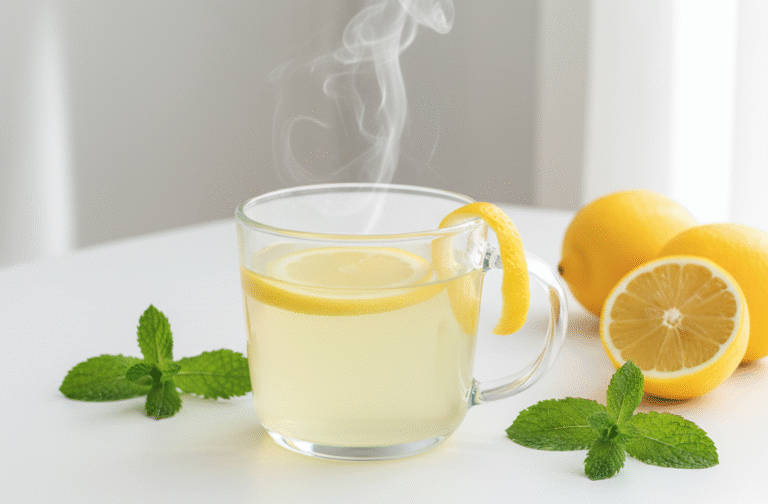
Cold tea can be just as satisfying. Add mint, lemon, or fruit slices for a refreshing twist.
5. Use a Tea Thermos
An insulated thermos keeps your tea hot for hours without damaging its antioxidants.
Freshly Brewed Tea vs. Reheated Tea: A Quick Comparison
| Aspect | Freshly Brewed Tea | Reheated Tea |
| Nutritional Value | Full of antioxidants and nutrients | Degraded compounds |
| Safety | Safe from bacteria | Possible bacterial contamination |
| Taste and Aroma | Rich, fragrant, and balanced | Bitter, flat, or sour |
| Digestive Health | Gentle on stomach | Can cause acidity |
| Teeth and Oral Health | Mild tannins | Acidic, may erode enamel |
Why Fresh Is Always Best
Brewing a fresh cup of tea only takes a few minutes, but it ensures you get the full benefits — antioxidants, natural aroma, and mental calmness.
Tea isn’t just a beverage; it’s an ancient ritual meant to be enjoyed mindfully. Reheating ruins that purity, stripping away the very essence that makes tea special.
If your tea gets cold, think of it as a gentle reminder to slow down. Sip it as is, brew a new batch, or chill it for later — but never reheat it.
Key Takeaways
- Never reheat tea that’s been left sitting out for more than two hours — it’s no longer safe to drink.
- Reheating tea destroys its natural antioxidants and can encourage bacterial growth or even the formation of harmful compounds.
- It can also increase acidity, potentially irritating your stomach and wearing down your teeth over time.
- If you have leftover tea, store it in the refrigerator and enjoy it within 24 hours — preferably cold or gently rewarmed once on the stove.
- Above all, freshly brewed tea is always the best choice — healthier for your body, kinder to your taste buds, and truer to the essence of tea itself.
Final Thoughts
Reheating tea might feel like such a small thing — just a quick fix to warm your cup again. But sometimes, it’s the smallest habits that quietly steal away the comfort and purity of what we love most. When tea is reheated, its soul — the warmth, aroma, and healing goodness — begins to fade, leaving behind only a shadow of what it once was.
So, the next time your tea turns cold, take a deep breath and pause. Maybe it’s a gentle reminder to slow down — to be present for those few peaceful sips instead of rushing through them. Brew yourself a new cup, fresh and full of life. Let it comfort you, warm you, and remind you that some things are best enjoyed in their purest form.
Because your tea — just like your moments — deserves to be savored, not reheated.
Read Also- 5 Simple Sleep Hygiene Tips That Work in 24 Hours: Your Guide to Better Rest Tonight