
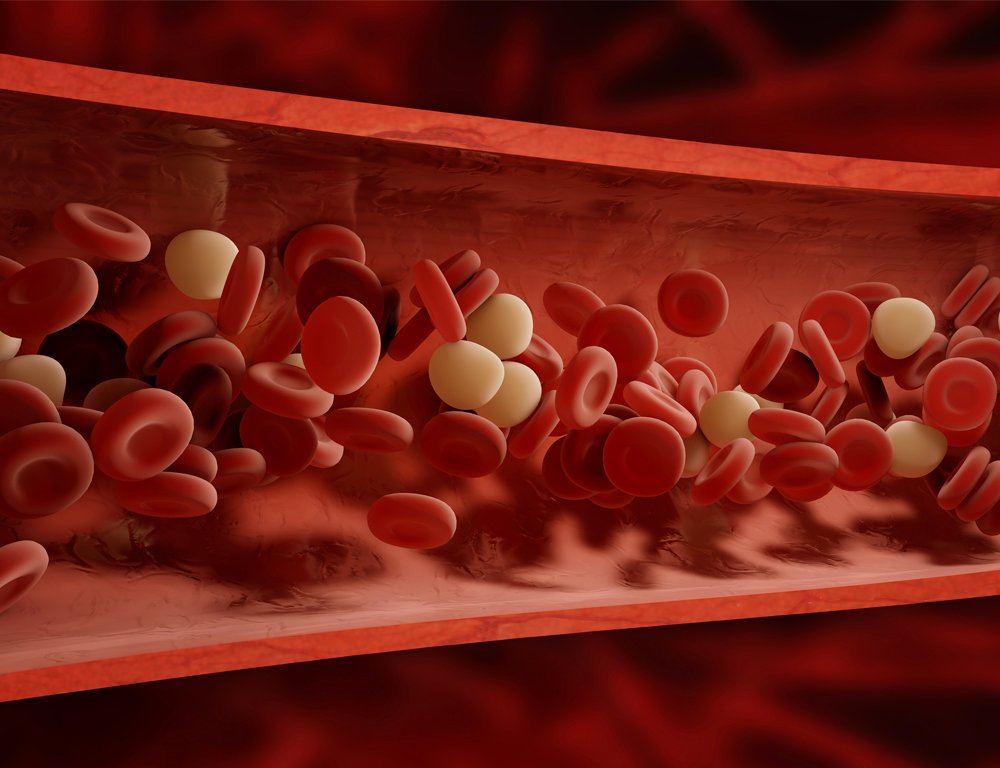
Stay Active, Prevent Blood Clots- habits to boost Circulation
In today’s world of long work hours, remote jobs, and sedentary lifestyles, staying physically active has never been more important. One of the lesser-known but serious risks of prolonged inactivity is blood clot formation, also known as deep vein thrombosis (DVT). Prevent Blood Clots
Blood clots can be life-threatening if they travel to vital organs like the lungs, causing a pulmonary embolism (PE). Fortunately, one of the best defenses against this danger is simple: stay active and keep moving.
This article explores the science behind blood clot prevention, the importance of regular physical activity, and actionable steps you can take to maintain healthy circulation.
Understanding Prevent Blood Clots
Blood clots are gel-like clumps of blood that form when blood thickens. While clotting is a natural and essential process to stop bleeding, clots that form unnecessarily inside blood vessels can block blood flow and cause severe complications.
Types of Blood Clots
- Deep Vein Thrombosis (DVT):
Forms in deep veins, usually in the legs. Symptoms include swelling, redness, pain, or warmth. - Pulmonary Embolism (PE):
Occurs when a clot breaks loose and travels to the lungs, blocking blood flow. Symptoms include shortness of breath, chest pain, and rapid heartbeat. - Arterial Clots:
These clots can block blood flow to the heart or brain, causing heart attacks or strokes.
Why Physical Inactivity Increases Clot Risk
A sedentary lifestyle can slow down blood flow, especially in the lower limbs. When blood pools in the veins for long periods, platelets and clotting proteins can stick together, forming a clot.
Common Risk Situations
- Sitting for long flights or car rides
- Working long hours at a desk
- Hospital recovery or post-surgery bed rest
- Limited mobility due to injury or chronic illness
The Science Behind It
When you move, your leg muscles act as a pump, pushing blood back to the heart. Prolonged sitting weakens this pumping effect, causing venous stasis — a key factor in clot formation.
Research from the Centers for Disease Control and Prevention (CDC) shows that people who are immobile for long periods have significantly higher risk of DVT, particularly those who sit for more than 4 hours at a time.
Who’s at Risk?
While inactivity is a major factor, certain conditions increase the likelihood of blood clots.
- Age: Risk increases after 50.
- Obesity: Excess weight puts pressure on veins.
- Smoking: Damages blood vessel walls and thickens blood.
- Hormone therapy or birth control pills: Can alter clotting balance.
- Pregnancy: Hormonal changes and pressure from the uterus slow blood flow.
- Genetic clotting disorders: Such as Factor V Leiden mutation.
- Recent surgery or hospitalization: Especially orthopedic or cancer-related surgeries.
Even young, healthy individuals aren’t immune if they lead highly sedentary lifestyles — a growing problem in the digital age.
The Power of Movement: How Staying Active Helps
Regular physical activity is one of the most effective natural ways to reduce clot risk and improve circulation.
1. Enhances Blood Flow
Movement activates the muscles in your legs, which helps pump blood back to the heart. This prevents stagnation and reduces pressure in veins.
2. Strengthens the Heart and Blood Vessels
Cardiovascular exercise improves vascular elasticity, keeping arteries and veins healthy and responsive.
3. Reduces Inflammation
Exercise helps lower inflammatory markers like C-reactive protein (CRP) that can contribute to clot formation.
4. Balances Blood Pressure and Cholesterol
High blood pressure and cholesterol can damage vessel walls, increasing clot risk. Regular activity helps regulate both.
5. Supports Healthy Weight
Obesity is a major risk factor for DVT. Active individuals tend to maintain a healthier weight and body composition.
Best Physical Activities to Prevent Blood Clots
You don’t need a gym membership to protect your circulation. Small, consistent movements can make a huge difference.
1. Walking
The simplest and most effective form of exercise. Aim for 30 minutes a day, 5 days a week.
If you sit for long hours, take 5-minute walking breaks every hour.
2. Leg and Calf Exercises
Try heel lifts, ankle circles, or toe raises while sitting or standing.
These micro-movements activate calf muscles, known as the “second heart” for their role in venous return.
3. Stretching
Simple stretches help maintain flexibility and encourage blood flow through the limbs.
4. Swimming and Cycling
Low-impact options that boost cardiovascular health without putting pressure on joints.
5. Yoga
Certain poses like Legs-Up-the-Wall (Viparita Karani) and Downward Dog enhance circulation and lymphatic drainage.
6. Desk-Friendly Moves
If you work at a computer, rotate ankles, flex your legs, or stand for a few minutes each hour.
Consider using a standing desk or under-desk pedal exerciser.
Scientific Benefits of Staying Active-Prevent Blood Clots
Modern research strongly supports the link between physical activity and reduced clot risk.
- A study published in the Journal of Thrombosis and Haemostasis found that regular moderate exercise lowers the risk of venous thromboembolism by 30–40%.
- The American Heart Association (AHA) recommends at least 150 minutes of moderate-intensity activity per week to maintain cardiovascular health.
- Research from Harvard Medical School shows that even short bouts of walking (2–3 minutes every hour) can counteract the harmful effects of prolonged sitting.
Everyday Tips to Keep Your Blood Moving
Incorporating activity into your day doesn’t have to be complicated. Here are some practical, U.S.-lifestyle-friendly ideas:
For Office Workers
- Stand up or stretch every 30–60 minutes.
- Schedule walking meetings.
- Use stairs instead of elevators.
- Keep a water bottle at your desk — hydration supports blood flow.
For Travelers
- On long flights, walk the aisle every hour.
- Perform ankle rolls and calf raises while seated.
- Wear compression socks to improve circulation.
- Avoid crossing your legs for long periods.
For Seniors or Limited Mobility
- Gentle chair exercises and resistance bands help stimulate movement.
- Light housework, gardening, or short walks can all count as activity.
- Talk to your doctor before starting new exercises.
Don’t Forget Hydration and Nutrition
Staying active is crucial, but hydration and diet also play key roles in clot prevention.
Stay Hydrated
Dehydration thickens the blood, increasing clot risk.
Drink 6–8 glasses of water daily, and more during hot weather or after exercise.
Eat a Circulation-Friendly Diet
Focus on foods that support vascular health:
- Leafy greens (spinach, kale) – rich in vitamin K and antioxidants.
- Citrus fruits – contain vitamin C for healthy blood vessels.
- Fatty fish (salmon, sardines) – high in omega-3s that reduce clotting.
- Berries and garlic – known for anti-inflammatory properties.
- Limit processed foods, salt, and trans fats that impair circulation.
When to See a Doctor
Despite taking preventive steps, it’s important to recognize warning signs of a blood clot and seek immediate medical attention.
Symptoms of Deep Vein Thrombosis (DVT)
- Swelling in one leg
- Redness or warmth over the affected area
- Unexplained leg pain or tenderness
Symptoms of Pulmonary Embolism (PE)
- Sudden shortness of breath
- Chest pain that worsens when breathing deeply
- Rapid heartbeat or coughing up blood
If you experience any of these symptoms, seek emergency care right away. Early diagnosis and treatment can save lives.
Key Takeaway: Movement Is Medicine
Staying active is not just about fitness — it’s about circulatory health and longevity. Whether you walk around the block, stretch at your desk, or join a local fitness class, every bit of movement helps reduce your risk of dangerous blood clots.
Remember:
“Sit less, move more, live longer.”
Your daily movement routine can be one of the most powerful tools in preventing deep vein thrombosis and maintaining a healthy heart and body.
Top 13 Expert-Recommended Tips to Prevent Blood Clots Naturally
1. Set Movement Reminders
Use your phone, smartwatch, or fitness tracker to remind you to stand, stretch, or walk every 45–60 minutes. Even short breaks can dramatically improve blood flow.
2. Do Seated Leg Exercises
If you can’t stand often (like during travel or meetings), flex and extend your ankles, roll your feet, or lift your knees. These simple moves keep the calf muscles active — your body’s natural blood pump.
3. Try Compression Wear
Compression socks or leggings gently squeeze your legs to improve venous return, especially if you sit or stand for long hours or travel frequently.
4. Sleep Smart
Avoid sleeping in positions that restrict circulation (like crossing your legs). Elevate your legs slightly with a pillow to encourage blood flow back to the heart.
5. Avoid Tight Clothing
Tight waistbands, belts, or restrictive pants can impair leg circulation. Choose comfortable, breathable clothing, especially during long journeys.
6. Quit Smoking
Smoking damages blood vessel walls, increases stickiness of platelets, and raises clotting risks. Quitting significantly improves vascular health within weeks.
7. Maintain a Healthy Weight
Extra body fat puts pressure on veins, particularly in the legs. Combine daily activity with a balanced diet to support optimal circulation.
8. Get Regular Checkups
If you have risk factors like high blood pressure, diabetes, or a family history of clots, schedule routine screenings. Early detection of vascular issues can prevent serious complications.
9. Stay Hydrated During Travel
Drink plenty of water on flights or road trips. Avoid excessive caffeine and alcohol, as both can lead to dehydration and thicker blood.
10. Warm Up and Cool Down
Before and after exercise, include gentle stretches. This helps regulate blood pressure and enhances oxygen delivery to muscles.
11. Watch for Warning Signs
Be alert to swelling, redness, or pain in one leg — early recognition of DVT symptoms can be lifesaving.
12. Balance Sitting and Standing
If you use a standing desk, alternate between sitting and standing every 30–45 minutes to prevent fatigue and maintain healthy circulation.
13. Try Gentle Morning Routines
Start your day with leg stretches, yoga, or a short walk to activate your circulation right from the morning.
Conclusion
Blood clots are a silent but serious health threat that can strike anyone — especially those leading sedentary lives. The good news is that regular physical activity is one of the most effective and natural ways to prevent them. Whether it’s walking, stretching, cycling, or simply standing up more often, every bit of movement helps your blood flow freely and keeps your veins healthy.
Staying active not only protects you from deep vein thrombosis (DVT) and pulmonary embolism (PE) but also supports your overall cardiovascular health, boosts energy, and enhances longevity. Combined with proper hydration, a balanced diet, and regular medical checkups, movement truly becomes your body’s best defense against dangerous blood clots.
So, don’t wait for warning signs — get up, get moving, and keep your circulation strong. Your heart, veins, and future self will thank you.
FAQs
1. Can blood clots happen to healthy people?
Yes. Even healthy individuals can develop clots from prolonged inactivity, dehydration, or travel-related immobility.
2. How often should I move to prevent clots?
Every 30–60 minutes, get up and stretch or walk for a few minutes, especially during long work or travel periods.
3. Are compression socks helpful?
Yes. Compression socks improve leg circulation and are especially beneficial for frequent flyers or those with varicose veins.
4. Does exercise completely prevent blood clots?
While it significantly lowers risk, it doesn’t guarantee prevention. Maintain a healthy lifestyle and stay alert to warning signs.
5. What is the best exercise to prevent DVT?
Walking, cycling, and swimming are excellent low-impact options that enhance circulation without stressing the body.
Read Also- Asthma Inhalers & Climate Change: A Hidden Environmental Impact