
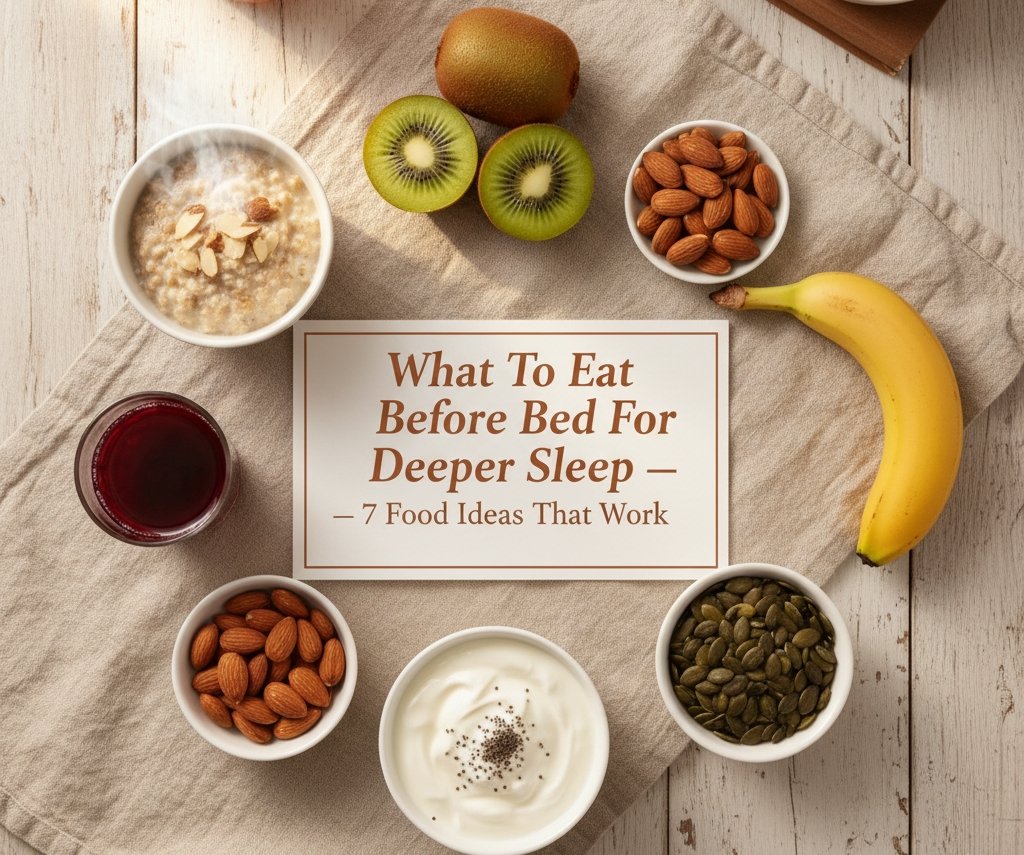
What To Eat Before Bed For Deeper Sleep — 7 Food Ideas That Work
Is there anything more frustrating than staring at the ceiling at 3 AM? You’ve counted sheep, you’ve tried deep breathing, you’ve replayed every conversation from the day. Yet, true, restorative sleep feels completely out of reach. What if the secret to unlocking a night of deep, uninterrupted rest isn’t in your bedroom, but in your kitchen?
It sounds almost too simple to be true, but the food you eat in the hours before your head hits the pillow has a profound impact on your sleep quality. This isn’t about restrictive diets or complicated recipes; it’s about making small, science-backed choices that work with your body’s natural sleep cycle, not against it.
If you’re ready to trade restless nights for rejuvenating slumber, you’re in the right place. Let’s dive into exactly what to eat before bed for deeper sleep.
Key Takeaways
- Focus on Sleep-Promoting Nutrients: The best bedtime snacks are rich in magnesium, tryptophan, and natural melatonin. These compounds help relax your muscles and calm your brain, signaling that it’s time for sleep.
- Timing and Portion Size Are Crucial: Aim for a small, easily digestible snack about 60-90 minutes before bed. Eating too much or too close to bedtime can cause indigestion and disrupt your rest.
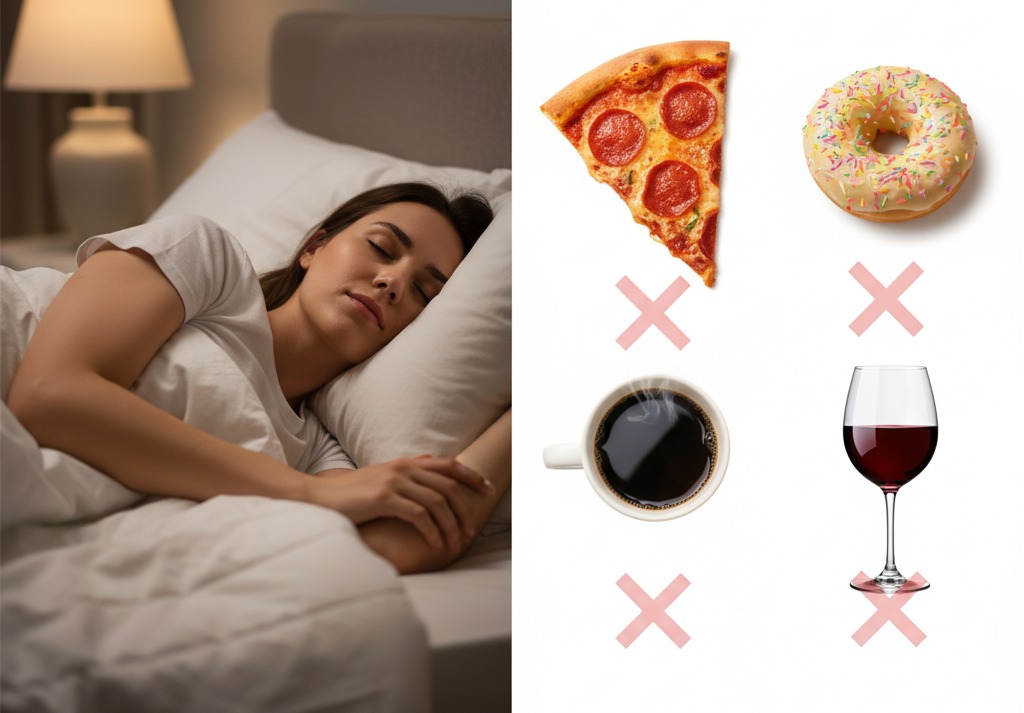
- Avoid Sleep Saboteurs: What you don’t eat is just as important. Steer clear of caffeine, high-sugar foods, alcohol, and heavy, greasy meals in the evening, as they can interfere with your sleep architecture.
The Surprising Link Between Your Fork and Your Pillow
You might think of sleep as a simple “on/off” switch, but it’s actually a complex dance of hormones and neurotransmitters. And guess what provides the building blocks for that dance? The food you eat.
When you consume certain nutrients, your body converts them into sleep-inducing chemicals. The most famous pathway is:
Tryptophan → Serotonin → Melatonin
- Tryptophan: An essential amino acid that you must get from your diet. It’s a precursor to serotonin.
- Serotonin: Often called the “feel-good” neurotransmitter, it promotes relaxation and well-being.
- Melatonin: The star of the show! This is your primary sleep hormone. Its production signals to your body that it’s time to power down and go to sleep.
Beyond this pathway, other key players include magnesium, a mineral that acts as a natural muscle relaxant and helps calm the nervous system, and complex carbohydrates, which can help tryptophan cross the blood-brain barrier more easily.
Conversely, the wrong foods can throw this delicate system into chaos. A sugary snack can spike your blood sugar, leading to a crash that wakes you up a few hours later. A heavy, fatty meal can cause indigestion and heartburn, making it impossible to get comfortable. Understanding this connection is the first step in using nutrition as a powerful tool for better sleep.
Why a Smart Bedtime Snack Matters for Deeper Sleep
You might have heard the old advice to never eat before bed, especially if you’re watching your weight. While it’s true that you should avoid a four-course meal at 10 PM, a small, strategic snack can be incredibly beneficial.
So, why does eating the right foods before bed lead to better sleep?
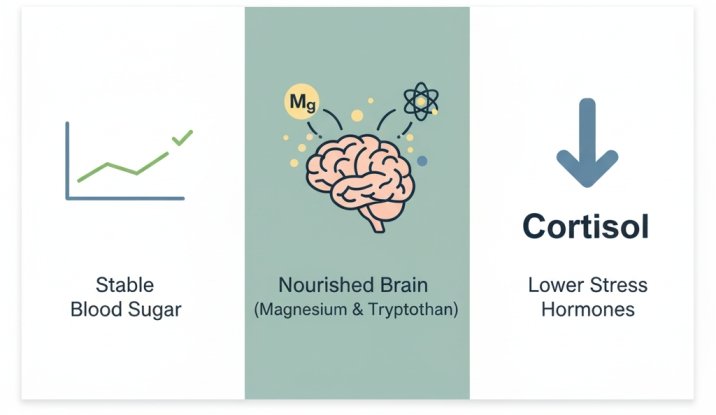
- It Stabilizes Your Blood Sugar: One of the most common reasons for waking up in the middle of the night is a dip in blood sugar (hypoglycemia). A balanced snack containing complex carbs and a little protein or healthy fat provides a steady supply of energy throughout the night, preventing those disruptive blood sugar crashes that can jolt you awake.
- It Provides Raw Materials for Sleep Hormones: As we just discussed, your body needs tryptophan and other nutrients to produce melatonin. Eating a snack rich in these compounds is like giving your brain the exact tools it needs to do its job and guide you into a deep sleep.
- It Can Lower Your Stress Hormones: Going to bed hungry can actually be stressful for your body, potentially raising levels of cortisol, the primary stress hormone. Cortisol is the enemy of sleep! A light snack can soothe your system and keep cortisol levels in check, allowing melatonin to take over.
Think of it as setting the stage for a great performance. A well-chosen bedtime snack ensures your body has everything it needs to perform the complex act of deep, restorative sleep without interruption.
The Ultimate List: 12 Foods to Eat Before Bed for Deeper Sleep
Ready to build your sleep-friendly pantry? Here are some of the best foods and snacks to enjoy before turning in for the night.
1. Tart Cherries: Nature’s Melatonin Powerhouse
If there’s one superstar on this list, it’s tart cherries. Unlike their sweet cousins, tart cherries (especially the Montmorency variety) are one of the few natural food sources of melatonin. Studies have shown that consuming tart cherry juice can increase sleep time and improve sleep efficiency.
- How to enjoy it: A small glass (about 4-6 oz) of unsweetened tart cherry juice or a small handful of dried tart cherries about an hour before bed.
2. Almonds: The Magnesium-Rich Relaxer
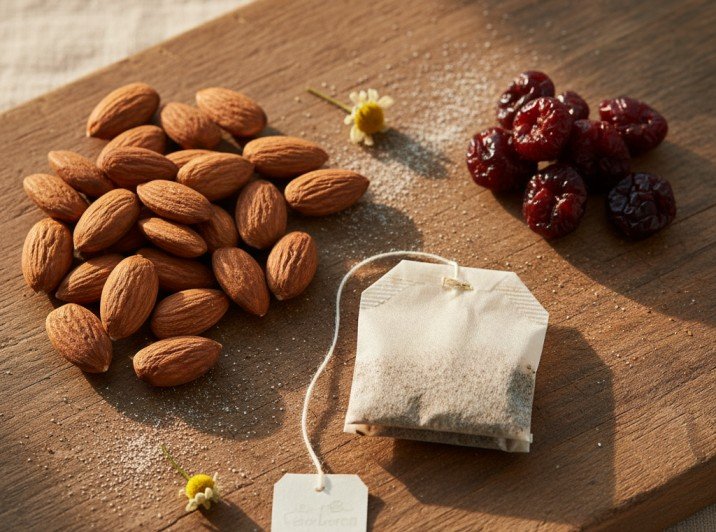
Almonds are a fantastic source of magnesium, which plays a critical role in sleep by helping to quiet the nervous system and relax muscles. They also contain a bit of protein and healthy fat to keep your blood sugar stable.
- How to enjoy it: A small handful (about 1/4 cup) of raw almonds. You can also enjoy a tablespoon of almond butter on a small piece of whole-wheat toast.
3. Walnuts: A Nutty Source of Sleep Support
Walnuts are another excellent choice. They are a good source of tryptophan and are also unique among nuts for containing their own source of melatonin. The healthy fats in walnuts can also contribute to serotonin production.
- How to enjoy it: Grab a small handful of walnuts as a simple, crunchy snack.
4. Kiwi: The Vitamin C Slumber Fruit
This fuzzy green fruit is surprisingly effective for sleep. Kiwis are rich in serotonin and antioxidants like Vitamin C. Research suggests that eating two kiwis an hour before bed can significantly improve sleep onset, duration, and efficiency.
- How to enjoy it: Simply slice two kiwis in half and scoop out the fruit with a spoon.
5. Chamomile Tea: The Classic Calming Brew
This one is a classic for a reason. Chamomile tea is a caffeine-free herbal infusion that contains an antioxidant called apigenin. This compound binds to specific receptors in your brain that may decrease anxiety and initiate sleep.
- How to enjoy it: A warm, comforting mug of chamomile tea 30-60 minutes before bed. The ritual of preparing and sipping the tea is relaxing in itself!
6. Turkey: More Than Just a Holiday Staple
The post-Thanksgiving dinner nap is no myth! Turkey is famously high in tryptophan. Pairing it with a carbohydrate helps shuttle that tryptophan to the brain to kickstart melatonin production.
- How to enjoy it: A few slices of lean turkey breast on a whole-grain cracker is one of the best bedtime snacks for combining protein and carbs.
7. Oatmeal: A Warm and Cozy Carb
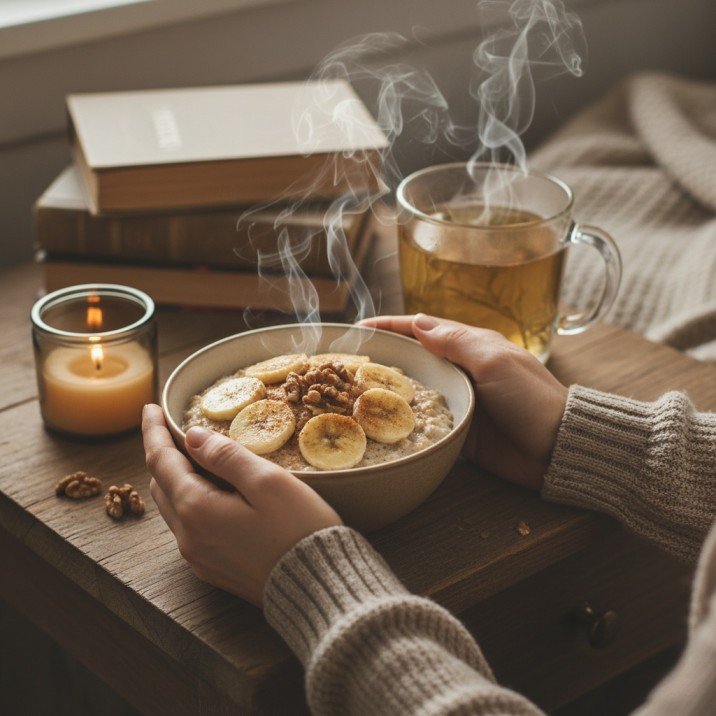
A small bowl of warm oatmeal is like a hug for your insides. Oats are a great source of complex carbohydrates, which trigger an insulin release that helps tryptophan enter the brain. They also contain a decent amount of magnesium and even some melatonin.
- How to enjoy it: A small, half-cup serving of cooked oatmeal. Avoid sugary instant packets; opt for plain rolled oats and top with a few sliced almonds or a sprinkle of cinnamon.
8. Bananas: Potassium and Magnesium in One
Bananas are a sleep-friendly triple threat. They contain magnesium and potassium, which are natural muscle relaxants, as well as tryptophan. They are the perfect, easy-to-digest bedtime fruit.
- How to enjoy it: Eat a small banana on its own or slice it into your bowl of oatmeal.
9. Pumpkin Seeds: A Mighty Mineral Boost
Don’t toss those seeds! Pumpkin seeds are an absolute powerhouse of magnesium and tryptophan. Just a one-ounce serving provides a significant portion of your daily magnesium needs. They also contain zinc, which can help convert tryptophan to serotonin.
- How to enjoy it: A small handful of raw pumpkin seeds (pepitas).
10. Cottage Cheese: A Slow-Digesting Protein
Cottage cheese is rich in casein protein, a slow-digesting protein that provides a steady release of amino acids overnight. It’s also a great source of tryptophan. This helps prevent hunger pangs and keeps your blood sugar stable while you sleep.
- How to enjoy it: A half-cup of low-fat cottage cheese. You can top it with a few raspberries or walnuts for extra flavor and nutrients.
11. Fatty Fish: A Dinner for Better Sleep
While not exactly a “snack,” including fatty fish like salmon, mackerel, or tuna in your dinner can set you up for a great night’s sleep. These fish are high in Vitamin D and omega-3 fatty acids, a combination that helps regulate serotonin.
- How to enjoy it: Incorporate a 4-6 oz serving into your evening meal a few times a week.
12. White Rice: A Surprising Sleep Supporter
This might surprise you, but white rice can be beneficial for sleep. It has a high glycemic index, which has been shown to reduce the time it takes to fall asleep when consumed a few hours before bed. It helps make tryptophan more readily available to your brain.
- How to enjoy it: A small portion as part of your dinner, at least 2-3 hours before you plan to sleep to allow for proper digestion.
Common Mistakes: What NOT to Eat Before Bed
Knowing what to eat before bed for deeper sleep is only half the battle. Avoiding sleep-disrupting foods and drinks is equally important.
- Mistake 1: Heavy, Greasy, or Spicy Foods: These can cause heartburn, indigestion, and acid reflux, making it nearly impossible to lie down comfortably. Your digestive system has to work overtime, which is not conducive to rest.
- Mistake 2: Sugary Snacks and Desserts: A bowl of ice cream or a handful of cookies will send your blood sugar on a rollercoaster. The initial spike might make you feel tired, but the inevitable crash a few hours later can wake you up.
- Mistake 3: Caffeine (Even in Surprising Places): This is an obvious one, but many people don’t realize that caffeine can linger in your system for up to 8 hours. Avoid coffee, black tea, energy drinks, and even dark chocolate in the afternoon and evening.
- Mistake 4: Alcohol: A glass of wine might make you feel drowsy and help you fall asleep faster, but it severely disrupts your sleep cycle later in the night. Alcohol suppresses REM sleep, the most restorative stage, and often causes you to wake up as it’s metabolized.
- Mistake 5: Too Much Liquid: While hydration is important, chugging a huge glass of water right before bed will likely lead to multiple bathroom trips, fragmenting your sleep.
Frequently Asked Questions (FAQs)
1. How long before bed should I eat my snack?
The sweet spot is generally 60 to 90 minutes before you plan to sleep. This gives your body enough time to begin digestion so you’re not uncomfortably full, but it’s close enough to bedtime that the sleep-inducing nutrients can work their magic.
2. I’m trying to lose weight. Is it really okay to eat before bed?
Absolutely! The idea that eating before bed automatically leads to weight gain is a myth. Weight management is about your total calorie intake throughout the day versus what you burn. A small, healthy, nutrient-dense snack (like a handful of almonds or a small banana) fits perfectly into most weight management plans and can actually help by preventing late-night bingeing on unhealthy foods.
3. What if I wake up hungry in the middle of the night?
This is often a sign that you didn’t eat enough during the day or that your blood sugar is unstable. If it happens, have a very small, easy-to-digest snack like a few whole-grain crackers or a splash of milk. Then, re-evaluate your dinner and pre-bed snack choices for the next day to ensure they are balanced enough to carry you through the night.
4. Can I just take a melatonin supplement instead?
While supplements can be helpful for some people in the short term (like for jet lag), a “food first” approach is always best. Foods provide a complex matrix of vitamins, minerals, and other compounds that work together synergistically. Supplements only provide one isolated nutrient. Always talk to your doctor before starting any new supplement.
Your Journey to Deeper Sleep Starts Tonight
Navigating the world of nutrition can feel overwhelming, but improving your sleep doesn’t have to be complicated. Finding what to eat before bed for deeper sleep is a journey of small, intentional choices. It’s about listening to your body and nourishing it with the building blocks it needs to rest and repair.
You don’t have to try everything on this list at once. Start by picking one or two ideas that sound appealing. Swap your usual evening snack for a handful of walnuts or a warm mug of chamomile tea. Pay attention to how you feel. Over time, these small habits build upon each other, creating a powerful foundation for consistently restful nights. You deserve to wake up feeling energized, clear-headed, and ready to take on your day.
Elevate Your Entire Bedtime Ritual
While you’re nourishing your body from the inside for better sleep, don’t forget to create a calming ritual on the outside. A relaxing skincare routine can be a powerful signal to your mind and body that the day is over and it’s time to wind down. If you want to take your self-care to the next level and wake up with a rejuvenated glow, a soothing light therapy session can be a wonderful addition to your wind-down routine.
👉 Discover how a gentle LED Face Mask can enhance your evening relaxation ritual.